The Salt Flat Crossing
قصة إنجليزية مجانية بالمستوى C1 لمتعلمي اللغات، يمكن قراءتها على الإنترنت بلغات عددها 8، مع إمكانية الاستماع إليها عبر تطبيق Storyteller المجاني.
Over two days on foot across a vast salt flat, a woman loses her sense of distance and slowly discovers a different reason for having come.
انتهى المقطع التجريبي! استمع إلى القصة كاملة في تطبيق Storyteller المجاني. حمّل التطبيق
الصوت غير متاح الآن.
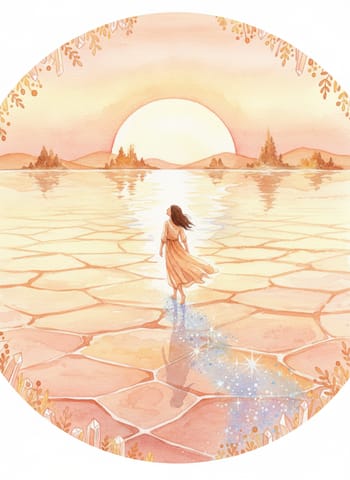
At dawn the flat is not white but the colour of the inside of a shell. Svea, standing at its edge in boots that still smell of the shop, cannot find a single thing to look at. The guide, a lean man who has already said everything he intends to say about safety, ties a cloth across his face and starts walking. She follows. Under each step the crust gives a thin, dry crack, like ice that has decided not to break.
عند الفجر لا يكون السهل أبيض بل بلون باطن الصدفة. تقف سفيا عند حافته في حذاء ما زالت تفوح منه رائحة المتجر، ولا تجد ما تنظر إليه. يربط الدليل، وهو رجل نحيل قال بالفعل كل ما ينوي قوله عن السلامة، قطعة قماش على وجهه ويبدأ المشي. تتبعه. تحت كل خطوة تصدر القشرة طقطقة رقيقة جافة، كجليد قرر ألا ينكسر.
By ten the horizon has stopped behaving. A dark line that looked like a hill an hour ago turns, as they approach, into a scatter of stones the size of fists, and the hill is somewhere else. "Distance here is a rumour," the guide says, in the tone of a man who has said it to many people and is still faintly pleased with it. Svea drinks at the intervals he sets, tastes the mineral edge of salt that has crept inside her lips, and finds that she has stopped estimating anything at all.
بحلول العاشرة يكون الأفق قد كف عن التصرف بانضباط. خط داكن كان يبدو تلًا قبل ساعة يتحول، كلما اقتربوا، إلى نثار من الحجارة بحجم القبضات، ويصير التل في مكان آخر. «المسافة هنا إشاعة»، يقول الدليل، بنبرة رجل قالها لكثيرين ولا يزال معجبًا بها قليلًا. تشرب سفيا في الفواصل التي يحددها، وتتذوق حافة الملح المعدنية التي تسللت إلى داخل شفتيها، وتكتشف أنها كفّت عن تقدير أي شيء إطلاقًا.
She had come, she told people at home, for the photographs. It was a believable reason and she had rehearsed it. The truer one she had not rehearsed, because it would not fit into a sentence. It was a postcard that had hung above her father's desk for thirty years, a white plain under a white sky, and the way he said "one day" whenever he looked at it. She has the postcard in her inside pocket now. It is, she is beginning to see, a poor likeness; it has no sound in it.
كانت قد جاءت، كما قالت للناس في بلدها، من أجل الصور. كان سببًا مقنعًا وقد تمرنت عليه. أما السبب الأصدق فلم تتمرن عليه، لأنه لا يتسع لجملة. كان بطاقة بريدية علقت فوق مكتب أبيها ثلاثين عامًا، سهلًا أبيض تحت سماء بيضاء، وطريقته في قول «يومًا ما» كلما نظر إليها. البطاقة معها الآن في جيبها الداخلي. إنها، كما بدأت ترى، نسخة رديئة الشبه بالأصل؛ ليس فيها صوت.
Noon is the worst of it. No shadow falls anywhere, and the glare rises from the ground as much as it falls from the sky, so she walks with her hat brim low and watches only her boots: left, right, left. Time stretches the way it does in waiting rooms. She checks her watch and finds that eleven minutes have passed, and later, that it has been two hours, and neither figure seems more believable than the other.
الظهيرة هي الأسوأ. لا يسقط ظل في أي مكان، ويرتفع الوهج من الأرض بقدر ما ينزل من السماء، فتمشي وحافة قبعتها منخفضة، لا تنظر إلا إلى حذائها: يسار، يمين، يسار. يتمدد الزمن كما يتمدد في قاعات الانتظار. تنظر إلى ساعتها فتجد أن إحدى عشرة دقيقة قد مضت، ثم بعد قليل أن ساعتين مرتا، ولا يبدو أي من الرقمين أقرب إلى التصديق من الآخر.
They camp where nothing marks the spot. The guide cooks flat bread on a stove no bigger than a fist and eats with his back to the wind. When the sun goes, it goes quickly, leaving a violet band along the edge of the world and then, abruptly, stars in numbers that seem almost rude. Lying on her back, Svea finds she is holding the postcard against her chest. If her father had come, he would have talked the whole way across, she thinks, and she would still be hearing him. What she feels, instead, is how little of this a desk could ever have shown him.
يخيمون حيث لا شيء يدل على المكان. يخبز الدليل خبزًا مسطحًا على موقد لا يزيد حجمه على قبضة، ويأكل وظهره إلى الريح. وحين تغيب الشمس تغيب بسرعة، تاركة شريطًا بنفسجيًا على حافة العالم، ثم، فجأة، نجومًا بأعداد تكاد تبدو وقحة. تستلقي سفيا على ظهرها فتجد أنها تضم البطاقة إلى صدرها. لو أن أباها جاء لظل يتحدث طوال الطريق، تفكر، ولظلت تسمعه إلى الآن. أما ما تشعر به بدلًا من ذلك فهو كم قليل من هذا كان يمكن لمكتب أن يريه إياه.
On the second day the reason changes without consulting her. She no longer wants to have seen the place; she wants to be walking through it, one boot after the other, with the silence ringing faintly in her ears like a struck glass. Not until mid-afternoon does she realise she has not taken a single photograph. The camera swings against her hip, forgotten as a limb.
في اليوم الثاني يتغير السبب دون أن يستشيرها. لم تعد تريد أن تكون قد رأت المكان؛ تريد أن تمشي عبره، خطوة تلو الأخرى، والصمت يرنّ في أذنيها بخفوت كأنه كأس زجاجية مطروقة. لا تدرك إلا في منتصف العصر أنها لم تلتقط صورة واحدة. تتأرجح الكاميرا عند وركها، منسية كأنها طرف من أطرافها.
Late in the day she asks how much further. The guide lifts his chin towards a dark smudge so far away that it might be a mark on the lens. "That," he says. To Svea it looks like an hour; to him, she suspects, it looks like four. She takes the postcard out, looks at it once, slides it back into her pocket with its face against her ribs, and starts walking before he does.
في أواخر النهار تسأل كم بقي. يرفع الدليل ذقنه نحو بقعة داكنة بعيدة إلى حد أنها قد تكون علامة على العدسة. «تلك»، يقول. تبدو لسفيا مسافة ساعة؛ أما له، كما تظن، فتبدو أربع ساعات. تخرج البطاقة، وتنظر إليها مرة واحدة، وتعيدها إلى جيبها ووجهها إلى أضلاعها، وتبدأ المشي قبله.