Advice to Little Girls
A free B2-level English story for language learners, readable online in 7 languages, with an option to listen via the free Storyteller app.
Twain offers little girls deliciously wicked etiquette tips for handling pushy playmates, strict mothers, and pesky little brothers — sound reasoning dressed up as good manners.
That was the preview! Hear the full story in the free Storyteller app. Get the app
Audio isn't available right now.
Good little girls ought not to make mouths at their teachers for every trifling offense. This retaliation should only be resorted to under peculiarly aggravated circumstances.
If you have nothing but a rag-doll stuffed with sawdust, while one of your more fortunate little playmates has a costly China one, you should treat her with a show of kindness nevertheless. And you ought not to attempt to make a forcible swap with her unless your conscience would justify you in it, and you know you are able to do it.
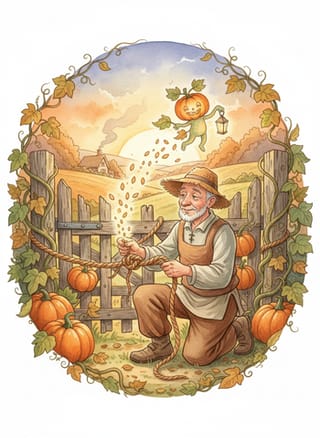
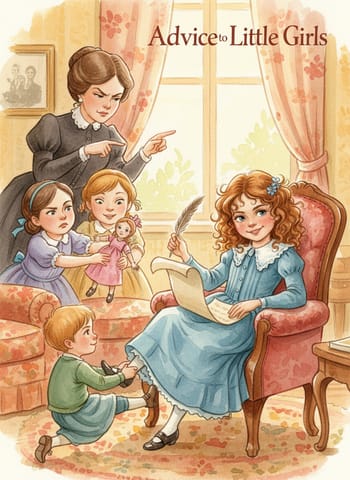
You ought never to take your little brother's “chewing-gum” away from him by main force; it is better to rope him in with the promise of the first two dollars and a half you find floating down the river on a grindstone. In the artless simplicity natural to this time of life, he will regard it as a perfectly fair transaction. In all ages of the world this eminently plausible fiction has lured the obtuse infant to financial ruin and disaster.
If at any time you find it necessary to correct your brother, do not correct him with mud—never, on any account, throw mud at him, because it will spoil his clothes. It is better to scald him a little, for then you obtain desirable results. You secure his immediate attention to the lessons you are inculcating, and at the same time your hot water will have a tendency to move impurities from his person, and possibly the skin, in spots.
If your mother tells you to do a thing, it is wrong to reply that you won't. It is better and more becoming to intimate that you will do as she bids you, and then afterward act quietly in the matter according to the dictates of your best judgment.
You should ever bear in mind that it is to your kind parents that you are indebted for your food, and for the privilege of staying home from school when you let on that you are sick. Therefore you ought to respect their little prejudices, and humor their little whims, and put up with their little foibles until they get to crowding you too much.
Good little girls always show marked deference for the aged. You ought never to “sass” old people unless they “sass” you first.