The Repeated Numbers
قصة إنجليزية مجانية بالمستوى B1 لمتعلمي اللغات، يمكن قراءتها على الإنترنت بلغات عددها 8، مع إمكانية الاستماع إليها عبر تطبيق Storyteller المجاني.
Talia keeps seeing the number twenty-seven everywhere and has to decide what to do with it when a school raffle comes along.
انتهى المقطع التجريبي! استمع إلى القصة كاملة في تطبيق Storyteller المجاني. حمّل التطبيق
الصوت غير متاح الآن.
Talia kept noticing the number twenty-seven everywhere. It showed up on the clock when she happened to glance at it. It appeared on receipts, and even on the license plate of the bus she took to school. At first she laughed it off. But after two weeks, it felt less like coincidence and more like a real pattern.
ظلت تاليا تلاحظ الرقم سبعة وعشرين في كل مكان. كان يظهر على الساعة كلما ألقت عليها نظرة مصادفة. وظهر على الإيصالات، بل وعلى لوحة ترقيم الحافلة التي تركبها إلى المدرسة. في البداية ضحكت ولم تكترث. لكن بعد أسبوعين صار يبدو أقل شبهًا بالمصادفة وأكثر شبهًا بنمط حقيقي.
She told her friend Kenji about it during lunch. "Maybe your brain is just noticing it more because you've started paying attention," he said. "That happens a lot. It's called frequency bias."
أخبرت صديقها كينجي بالأمر أثناء الغداء. «ربما يلاحظه دماغكِ أكثر لأنكِ بدأتِ تنتبهين إليه»، قال. «يحدث هذا كثيرًا. ويسمى انحياز التكرار.»
"Maybe," Talia said, "but it's happened way too many times to just be that."
«ربما»، قالت تاليا، «لكن عدد المرات التي حدث فيها أكبر من أن يُفسَّر بهذا وحده.»
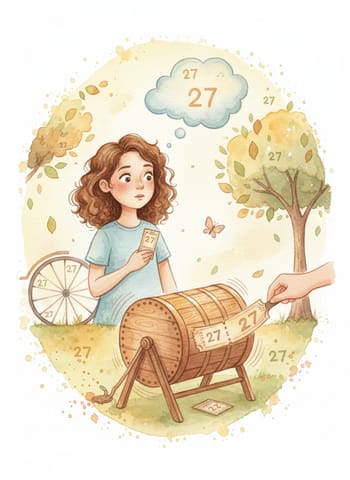
That weekend, the school was holding a raffle to raise money for the art club. Each student could pick one ticket number between one and fifty. Talia stood at the table, staring at the list of numbers still available. Twenty-seven was there, along with thirty-one, which had always been her lucky number as a kid.
في عطلة نهاية ذلك الأسبوع كانت المدرسة تقيم سحبًا على جوائز لجمع المال لنادي الفن. وكان بإمكان كل طالب أن يختار رقم تذكرة واحدًا من واحد إلى خمسين. وقفت تاليا عند الطاولة تحدق في قائمة الأرقام التي ما زالت متاحة. كان الرقم سبعة وعشرين موجودًا، ومعه الرقم واحد وثلاثين، الذي كان رقمها المحظوظ دائمًا حين كانت طفلة.
She had to choose between two numbers. One had followed her all month, and the other one she'd always trusted. Kenji, standing beside her, shrugged. "Either way, it's basically the same odds. Just pick whichever feels right."
كان عليها أن تختار بين رقمين. أحدهما لاحقها طوال الشهر، والآخر كانت تثق به دائمًا. هزّ كينجي كتفيه وهو واقف بجانبها. «في الحالتين فرصة الفوز هي نفسها تقريبًا. اختاري ما يبدو لك مناسبًا.»
Talia thought about it for a moment longer, then wrote twenty-seven on her ticket. Somehow it felt like the number had earned its place. The reason behind it was probably nothing more than coincidence.
فكرت تاليا لحظةً أخرى، ثم كتبت سبعة وعشرين على تذكرتها. وشعرت بطريقة ما أن الرقم قد استحق مكانه. وربما لم يكن السبب وراء ذلك أكثر من مصادفة.
A week later, the raffle results were posted on the school notice board. Talia hadn't won the main prize. But she noticed something that made her smile: the winning ticket, drawn at random, was number thirty-one. She never did figure out why twenty-seven kept showing up all month. But she decided some mysteries were more fun left unsolved.
بعد أسبوع نُشرت نتائج السحب على لوحة الإعلانات في المدرسة. لم تفز تاليا بالجائزة الكبرى. لكنها لاحظت شيئًا جعلها تبتسم: كانت التذكرة الفائزة، التي سُحبت عشوائيًا، هي رقم واحد وثلاثين. ولم تعرف قط لماذا ظل الرقم سبعة وعشرين يظهر طوال الشهر. لكنها قررت أن بعض الألغاز أمتع حين تُترك بلا حل.