The Hospice Gardener
قصة إنجليزية مجانية بالمستوى C1 لمتعلمي اللغات، يمكن قراءتها على الإنترنت بلغات عددها 8، مع إمكانية الاستماع إليها عبر تطبيق Storyteller المجاني.
A hospice gardener plants spring bulbs she knows many residents will not live to see, until one of them asks her why she bothers.
انتهى المقطع التجريبي! استمع إلى القصة كاملة في تطبيق Storyteller المجاني. حمّل التطبيق
الصوت غير متاح الآن.
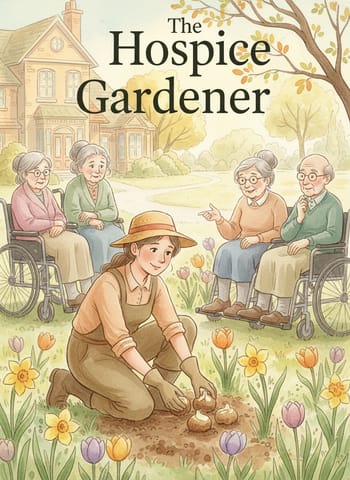
In October the ground at the hospice is cold on the surface and warm underneath. Timea, kneeling in the long bed beneath the east windows, has learned to tell by the smell of it whether the bulbs will take. This morning she has four hundred of them in a crate: daffodils, tulips, and the small blue squills that nobody notices until they have already won. She sets them in rows, pointed end up, a hand's width apart, and does not think about March.
في أكتوبر تكون الأرض عند دار الرعاية التلطيفية باردة على السطح دافئة تحته. وتيميا، جاثية في الحوض الطويل تحت النوافذ الشرقية، تعلّمت أن تعرف من رائحتها هل ستنجح البصيلات. هذا الصباح معها أربعمئة بصيلة في صندوق: نرجس، وتوليب، وزهور السيلا الزرقاء الصغيرة التي لا ينتبه إليها أحد إلى أن تكون قد انتصرت بالفعل. تضعها في صفوف، الطرف المدبب إلى الأعلى، وبين كل واحدة والتي تليها عرض كف، ولا تفكر في مارس.
That is not quite true. She thinks about March a great deal. She has worked here for six years, long enough to know the arithmetic. Most of the people who can see this bed from their pillows today will not be here when it flowers. She plants it regardless, every autumn, with the same slow care, like someone mending a coat for a journey she is not taking. What she has never managed to explain, even to herself, is why the care feels necessary rather than merely kind.
هذا ليس صحيحًا تمامًا. إنها تفكر في مارس كثيرًا. تعمل هنا منذ ست سنوات، وهي مدة تكفي لتعرف الحساب. معظم من يستطيعون رؤية هذا الحوض من وسائدهم اليوم لن يكونوا هنا حين يزهر. ومع ذلك تزرعه كل خريف، بالعناية البطيئة نفسها، كمن يرقّع معطفًا لرحلة لن تقوم بها. وما لم تنجح قط في شرحه، حتى لنفسها، هو لماذا تبدو هذه العناية ضرورية لا مجرد لطف.
The layout of the beds is her one eccentricity. When she was hired, she asked the matron for the keys to the empty rooms. She spent an afternoon lying on each bed in turn, head on every pillow, working out what a person who could not get up would see through each window. The answer was almost nothing: a section of hedge, a drainpipe, the sky. So she redrew the garden from the bottom up. Had she trusted the plans instead, the long bed would have gone beside the car park, where visitors would have admired it. It sits under the east windows because of that afternoon. So is the birch, which she moved herself one terrible weekend, with a borrowed trolley and a great deal of swearing.
تصميم الأحواض هو غرابتها الوحيدة. حين وُظّفت، طلبت من كبيرة الممرضات مفاتيح الغرف الفارغة. وأمضت عصرًا تستلقي على كل سرير بدوره، ورأسها على كل وسادة، تتبيّن ما سيراه شخص لا يستطيع النهوض من كل نافذة. وكانت الإجابة لا شيء تقريبًا: قطعة من سياج، وأنبوب تصريف، والسماء. فأعادت رسم الحديقة من القاع. ولو وثقت بالمخططات بدلًا من ذلك، لوُضع الحوض الطويل بجوار موقف السيارات، حيث كان الزوار سيُعجبون به. إنه تحت النوافذ الشرقية بسبب ذلك العصر. وكذلك شجرة البتولا، التي نقلتها بنفسها في عطلة نهاية أسبوع فظيعة، بعربة مستعارة وكثير من السباب.
"You've been at that a while," says a voice behind her. It belongs to the woman from the corner room, a retired geography teacher who arrived in August and has the precise, dry diction of someone used to being obeyed by children. She sits in the open French window in her wheelchair, a knitted blanket over her knees, watching Timea's hands.
«تعملين في هذا منذ وقت»، يقول صوت من خلفها. الصوت لامرأة الغرفة التي في الزاوية، مدرّسة جغرافيا متقاعدة وصلت في أغسطس ولها النطق الدقيق الجاف لمن اعتاد أن يطيعه الأطفال. تجلس في الباب الزجاجي المفتوح على كرسيها المتحرك، وعلى ركبتيها بطانية صوفية محبوكة، تراقب يدَي تيميا.
For some time she says nothing more. Then: "May I ask you something? You can tell me to mind my own business." Timea sits back on her heels. "Why do you bother? You must know most of us won't see them." The words are not unkind. If anything, they are curious in the way of someone who has been asking the same question of herself for weeks and has finally found somebody else to put it to.
لبعض الوقت لا تقول شيئًا آخر. ثم تقول: «هل لي أن أسألك شيئًا؟ يمكنك أن تطلبي مني أن أهتم بشؤوني.» تجلس تيميا على كعبيها. «لماذا تتعبين نفسك؟ لا بد أنك تعلمين أن معظمنا لن يراها.» الكلمات ليست جافية. بل هي، إن شئنا، فضولية، كمن ظل يسأل نفسه السؤال نفسه أسابيع ووجد أخيرًا شخصًا آخر يوجهه إليه.
Rarely has she been asked so plainly. Timea considers lying. She has a few good answers ready, the kind that appear in leaflets, about legacy and the cycle of things. She can feel how they would sound in this air, which is to say like decorations. "Because it's October," she says instead. "It's what the ground is for in October." She turns a bulb over in her glove. "And because I don't know who will be at the window in March. Nobody does. I'd rather there was something to look at."
قلّما سُئلت بهذا الوضوح. تفكر تيميا في الكذب. لديها بضع إجابات جيدة جاهزة، من النوع الذي يظهر في المطويات، عن الإرث ودورة الأشياء. وتشعر كيف ستبدو في هذا الهواء، أي كالزينة. «لأننا في أكتوبر»، تقول بدلًا من ذلك. «هذا ما خُلقت له الأرض في أكتوبر.» تقلّب بصيلة في قفازها. «ولأني لا أعرف من سيكون عند النافذة في مارس. لا أحد يعرف. أفضّل أن يكون هناك شيء يُنظر إليه.»
The woman receives this without comment. Her mouth moves slightly, which may be a smile or the beginning of a cough.
تتلقى المرأة هذا دون تعليق. يتحرك فمها قليلًا، وقد تكون ابتسامة أو بداية سعال.
"Which are those?" she asks, nodding at the crate. Timea tells her: the early daffodils, the mid-season tulips, and a late variety that flowers in the last week of April, if the spring is mean. "Mean springs suit the late ones best," she adds, and wishes at once that she had not.
«ما هذه؟» تسأل، وهي تومئ إلى الصندوق. تخبرها تيميا: النرجس المبكر، والتوليب من منتصف الموسم، وصنف متأخر يزهر في آخر أسبوع من أبريل، إن كان الربيع قاسيًا. «الربيع القاسي يلائم المتأخرة أكثر من غيرها»، تضيف، وتتمنى فورًا لو لم تقل ذلك.
"Late, then," says the woman. "Put the late ones under my window." She tucks the blanket tighter. "I've never been on time for anything. It seems only fair to back the one that isn't either."
«المتأخرة إذًا»، تقول المرأة. «ضعي المتأخرة تحت نافذتي.» تشدّ البطانية أكثر. «لم أكن في الموعد لأي شيء قط. ومن الإنصاف أن أراهن على تلك التي ليست كذلك هي أيضًا.»
Timea does not say that it is a bet she might lose. She takes up the trowel and starts to dig beneath the corner window, a row of small holes, a hand's width apart.
لا تقول تيميا إنه رهان قد تخسره. تتناول المجرفة الصغيرة وتبدأ الحفر تحت نافذة الزاوية، صفًّا من الحفر الصغيرة، بين كل واحدة والتي تليها عرض كف.