The Miraculous Hen
قصة إنجليزية مجانية بالمستوى B2 لمتعلمي اللغات، يمكن قراءتها على الإنترنت بلغات عددها 8، مع إمكانية الاستماع إليها عبر تطبيق Storyteller المجاني.
A poor old couple's hen begins laying jewels instead of eggs — a secret so precious it draws betrayal at home and sends two brothers on a perilous quest for kingdoms, magic, and revenge.
انتهى المقطع التجريبي! استمع إلى القصة كاملة في تطبيق Storyteller المجاني. حمّل التطبيق
الصوت غير متاح الآن.
Beyond thrice-nine lands, in the thrice-tenth realm—it was not in our kingdom—once an old man and an old woman lived in great need and poverty. They had two sons, who were very young and as yet of no use for field work. So the old man got up himself, and himself did all the work; he went out and looked after the labourers, and for all that he could only earn a few pence.
وراء سبع وعشرين أرضًا، في المملكة الثلاثين — لم تكن في مملكتنا — عاش ذات مرة شيخ وعجوز في فاقة وفقر شديدين. وكان لهما ابنان صغيران جدًا لا يصلحان بعد للعمل في الحقل. فنهض الشيخ بنفسه وقام بنفسه بكل العمل؛ كان يخرج ويشرف على العمال، ومع ذلك لم يكن يكسب إلا بضعة قروش.
As he was going home one day he met a sorry drunkard, who had a hen in his hands. “Will you, old man, buy my hen?”
وفي أحد الأيام، وهو عائد إلى البيت، التقى سكيرًا بائسًا يحمل في يديه دجاجة. «هل تشتري دجاجتي أيها الشيخ؟»
“What do you want for it?”
«ماذا تريد ثمنًا لها؟»
“Give me fifty kopeks for it.”
«أعطني خمسين كوبيكًا ثمنًا لها.»
“No, brother; take these few pence—that will be enough for you; you will get a pint and can drink it out on your way home and go to sleep.”
«لا يا أخي؛ خذ هذه القروش القليلة — فهي تكفيك؛ ستشتري بها كأسًا وتشربها في طريقك إلى بيتك وتنام.»
So the drunkard took the pence and gave the old man the hen.
فأخذ السكير القروش وأعطى الشيخ الدجاجة.
Then the old man returned home. But they were very hungry there; there was not a crust of bread. “Here,” he said, as he came in, to his wife, “here is a hen I have bought you.”
ثم عاد الشيخ إلى البيت. لكنهم كانوا جائعين جدًا هناك؛ لم تكن هناك كسرة خبز. «هاك»، قال لزوجته وهو يدخل، «هذه دجاجة اشتريتها لك.»
But his wife turned on him fiercely and scolded him. “What an old fool you are! You must have gone utterly mad: our children are sitting down at home without any bread, and you buy a hen which you must feed!”
لكن زوجته انقلبت عليه بغضب ووبخته. «يا لك من أحمق عجوز! لا بد أنك جننت تمامًا: أولادنا جالسون في البيت بلا خبز، وأنت تشتري دجاجة عليك أن تطعمها!»
“Hold your tongue, foolish woman; does a hen eat so much? Why, she will lay us an egg and will bring us chicks; we can sell the chicks and then buy bread.”
«اصمتي أيتها المرأة الحمقاء؛ وهل تأكل الدجاجة كل هذا؟ إنها ستبيض لنا بيضة وتأتينا بالكتاكيت؛ فنبيع الكتاكيت ثم نشتري خبزًا.»
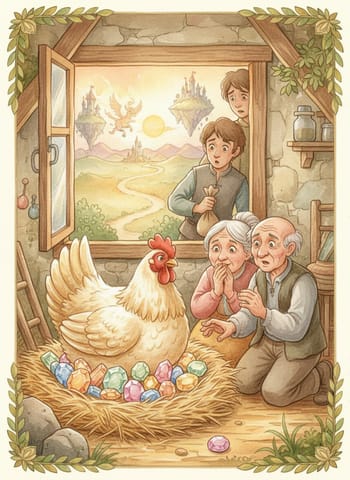
So the old man made a little nest and he put the hen under the stove. In the morning he looked, and the hen had laid a jewel of absolutely natural colours. So the old man said to his wife, “Now, old lady; amongst other folks the hens lay eggs, but our hen lays jewels: what shall we do?”
فصنع الشيخ عشًا صغيرًا ووضع الدجاجة تحت الموقد. وفي الصباح نظر، فإذا الدجاجة قد باضت جوهرة بألوانها الطبيعية الخالصة. فقال الشيخ لزوجته: «الآن، أيتها العجوز؛ عند الناس الآخرين تبيض الدجاجات بيضًا، أما دجاجتنا فتبيض جواهر: ماذا نفعل؟»
“Take it into the city; possibly somebody may buy it.”
«خذها إلى المدينة؛ لعل أحدًا يشتريها.»
So the old man went into the city, went into all the inns by turns and showed his precious stone. All the merchants gathered round him and began valuing the stone. They valued it and valued it, and it was at last bought for five hundred roubles.
فذهب الشيخ إلى المدينة، ودخل كل النزل تباعًا وعرض حجره الثمين. فاجتمع حوله كل التجار وبدؤوا يقدّرون ثمن الحجر. قدّروه وقدّروه، وفي النهاية اشتُري بخمس مئة روبل.
From that day the old man went on trading in precious stones which his hen laid him, and he very soon became enriched, had himself inscribed into the merchants’ guild, put up a shop, hired apprentices, and set up seafaring ships to carry his wares into foreign lands. One day he was going into foreign parts, and he bade his wife have a great heed to the hen: “Treasure her more than your eyes; should she be lost, you shall forfeit your own head.”
ومنذ ذلك اليوم واصل الشيخ التجارة بالأحجار الكريمة التي كانت تبيضها له دجاجته، وسرعان ما أثرى، وسجّل نفسه في نقابة التجار، وافتتح دكانًا، واستأجر صبية متدربين، وجهّز سفنًا بحرية لتحمل بضائعه إلى بلاد أجنبية. وفي أحد الأيام كان على وشك السفر إلى بلاد أجنبية، فأوصى زوجته بأن تعتني بالدجاجة عناية كبيرة: «اعتزّي بها أكثر من عينيك؛ وإن ضاعت فستدفعين رأسك ثمنًا.»
As soon as he had gone the old woman began to think evil thoughts. For she was great friends with one of the young apprentices.
وما إن غادر حتى بدأت العجوز تفكر أفكارًا شريرة. فقد كانت صديقة حميمة لأحد الصبية المتدربين الشبان.
“Where do you get these precious stones from?” the apprentice asked her.
«من أين تأتين بهذه الأحجار الكريمة؟» سألها الصبي.
“Oh, it is our hen that lays them.”
«آه، إنها دجاجتنا هي التي تبيضها.»
So the apprentice took the hen, looked, and under the right wing he saw written in gold: “Whoever eats this hen’s head shall become a king, and whoever eats her liver shall spit out gold.”
فأخذ الصبي الدجاجة ونظر، فرأى تحت الجناح الأيمن مكتوبًا بالذهب: «من يأكل رأس هذه الدجاجة يصبح ملكًا، ومن يأكل كبدها يبصق ذهبًا.»
So he told the wife, “Bake me the hen for supper.”
فقال للزوجة: «اشوي لي الدجاجة للعشاء.»
“Oh, my dear friend, how can I? My husband will be coming back and will punish me.”
«آه يا صديقي العزيز، كيف أفعل؟ سيعود زوجي ويعاقبني.»
But the apprentice would not listen to any argument. “Bake it,” he said—that was all.
لكن الصبي لم يشأ أن يسمع أي حجة. «اشويها»، قال — هذا كل شيء.
The next day the old woman got supper ready, made ready to twist the hen’s neck and to roast it for supper with the head and the liver. The cook twisted the hen’s neck and put her into the oven, and himself went out. But in that time the two little children of the house, who were at school, ran in, looked into the oven, and wanted to nibble. The elder brother ate the head and the youngest ate the liver.
في اليوم التالي أعدّت العجوز العشاء، واستعدت لتلوي عنق الدجاجة وتشويها للعشاء مع الرأس والكبد. فلوى الطباخ عنق الدجاجة ووضعها في الفرن، وخرج هو. لكن الطفلين الصغيرين في البيت، وكانا في المدرسة، ركضا إلى الداخل ونظرا في الفرن وأرادا أن يقضما. فأكل الأخ الأكبر الرأس وأكل الأصغر الكبد.
When supper-time came, the hen was put on the table, but when the apprentice saw that both the head and the liver were missing he was very angry, quarrelled with the old woman and went home. The old woman followed him and wheedled, but he still insisted: “You bring your children, take their liver out and brains, and give them me for supper; otherwise I will have nothing to do with you.”
وحين حان وقت العشاء وُضعت الدجاجة على المائدة، لكن حين رأى الصبي المتدرب أن الرأس والكبد كليهما مفقودان غضب غضبًا شديدًا، وتشاجر مع العجوز وذهب إلى بيته. فتبعته العجوز وتملقته، لكنه ظل مصرًّا: «أحضري أولادك، واستخرجي كبديهما ودماغيهما، وأعطيني إياها للعشاء؛ وإلا فلن يكون لي شأن بك.»
So the old woman put her children to bed, called the cook and bade him take them whilst they were asleep into the wood, there kill them and extract their liver and their brains and get them ready for supper. The cook took the children into the slumbrous forest, stopped, and made ready to whet the knife.
فأنامت العجوز طفليها، ونادت الطباخ وأمرته بأن يأخذهما وهما نائمان إلى الغابة، ويقتلهما هناك ويستخرج كبديهما ودماغيهما ويجهزها للعشاء. فأخذ الطباخ الطفلين إلى الغابة الغارقة في السكون، وتوقف، واستعد لشحذ السكين.
The boys woke up and asked, “Why are you sharpening the knife?”
فاستيقظ الصبيان وسألا: «لماذا تشحذ السكين؟»
“Because your mother has bidden me take out your liver and brains and cook them.”
«لأن أمكما أمرتني بأن أخرج كبديكما ودماغيكما وأطبخها.»
“Oh, grandfather, little dove, do not slay us; we will give you all the gold you desire, only pity us and let us free.” So the younger brother filled his skirt with gold, and the cook was contented with this and he set them free.
«آه يا جدي الحبيب، لا تذبحنا؛ سنعطيك كل الذهب الذي تريده، فقط ارحمنا وأطلق سراحنا.» فملأ الأخ الأصغر طرف ثوبه بالذهب، ورضي الطباخ بذلك وأطلق سراحهما.
So the boys went forth into the forest and he turned back. Fortunately for him a bitch came his way, so he took her two puppies, took their livers and brains, roasted them and gave them for supper. The apprentice was very pleased with the dish, swallowed it all, and became neither a king nor a king’s son, but simply a fool.
فمضى الصبيان إلى الغابة وعاد هو. ومن حسن حظه أن كلبة اعترضت طريقه، فأخذ جروَيها، واستخرج كبديهما ودماغيهما، وشواها وقدّمها للعشاء. وسُرّ الصبي المتدرب بالطبق كثيرًا، وابتلعه كله، ولم يصر ملكًا ولا ابن ملك، بل صار أحمق فقط.
The boys went out of the wood on the broad road, and went whither their eyes gazed—maybe far, maybe short, they went. Soon the road divided into two, and a column stood there, and on the column it was written:
وخرج الصبيان من الغابة إلى الطريق العريض، ومضيا حيث تقودهما عيناهما — ربما بعيدًا، وربما قريبًا، مضيا. وسرعان ما انقسم الطريق إلى طريقين، ووقف هناك عمود، وكان مكتوبًا على العمود:
“WHO GOES TO THE RIGHT SHALL RECEIVE A KINGDOM, WHO GOES TO THE LEFT SHALL RECEIVE MUCH OF EVIL AND OF GRIEF, BUT HE SHALL MARRY A FAIR PRINCESS.”
«من يذهب إلى اليمين ينال مملكة، ومن يذهب إلى اليسار ينل الكثير من الشر والحزن، لكنه سيتزوج أميرة حسناء.»
So the brothers considered this inscription, and decided to go in different directions; the elder went to the right and the younger to the left.
فتأمل الأخوان هذه الكتابة، وقررا أن يذهبا في اتجاهين مختلفين؛ فذهب الأكبر إلى اليمين والأصغر إلى اليسار.
The elder went on and on, and soon came to an unknown capital city. He also saw a mass of people, only they were all mourning and sad. So he begged shelter of a poor old widow. “Will you protect,” he said, “a foreigner from the dark night?”
مضى الأكبر ومضى، وسرعان ما بلغ عاصمة غير معروفة. ورأى هو أيضًا جمعًا غفيرًا من الناس، لكنهم كانوا كلهم حزانى مكتئبين. فطلب مأوى عند أرملة عجوز فقيرة. «هل تحمين»، قال، «غريبًا من الليل المظلم؟»
“I should be very glad to have you,” she said, “but I cannot put you anywhere, I am so closely packed.”
«يسرني جدًا أن أستقبلك»، قالت، «لكنني لا أستطيع أن أضعك في أي مكان، فالمكان مزدحم عندي.»
“Do let me in, bábushka; I am such a simple youth, just as you are; you can find me some small space, some kind of nook for the night.”
«دعيني أدخل يا جدتي؛ أنا فتى بسيط مثلك تمامًا؛ تستطيعين أن تجدي لي مساحة صغيرة، ركنًا ما لليلة.»
So the old woman admitted him, and they began to speak.
فأدخلته العجوز، وبدآ يتحدثان.
“Why, bábushka,” the stranger asked, “is there such a throng in the city, why are rooms so dear, and why are the people all mourning and melancholy?”
«يا جدتي»، سأل الغريب، «لماذا هذا الحشد في المدينة، ولماذا الغرف غالية، ولماذا الناس كلهم في حداد وكآبة؟»
“Well, our king has just died, and the boyárs have sent the town-crier out to announce that old and young are to assemble, and each of them is to have a candle, and with the candles they are to go into the cathedral, and whosesoever’s candle lights of itself is to be king.”
«حسنًا، لقد مات ملكنا للتو، وأرسل البويار المنادي ليعلن أن على الكبار والصغار أن يجتمعوا، وأن يحمل كل منهم شمعة، وبالشموع يدخلون الكاتدرائية، ومن اشتعلت شمعته من تلقاء نفسها يكون ملكًا.»
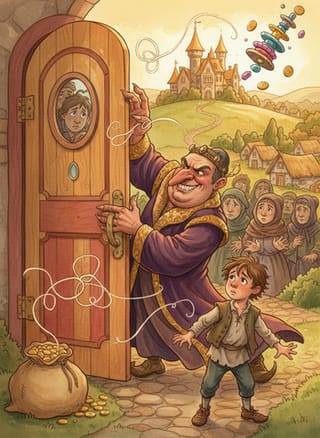
So in the morning the boy got up, washed, prayed to God, said the grace for the bread and salt and the soft bed which his hostess had given him, and went into the cathedral. When he got there, if you had been there three years you could not have counted all those people. And he took a candle in his hand, and it lit up at once. So they all burst upon him and began to blow out his candle, to damp it, but the flame lit all the brighter. There was no help for it: they acknowledged him as their king, and dressed him in golden apparel and led him to the palace.
وفي الصباح نهض الفتى، واغتسل، وصلى لله، وشكر على الخبز والملح والفراش الوثير الذي منحته إياه مضيفته، ودخل الكاتدرائية. وحين وصل إلى هناك، لو كنت هناك ثلاث سنوات لما استطعت أن تعدّ كل أولئك الناس. وأخذ شمعة في يده، فاشتعلت في الحال. فهجموا عليه جميعًا وبدؤوا ينفخون على شمعته ليخمدوها، لكن اللهب اشتعل أكثر سطوعًا. ولم يكن هناك مفر: فاعترفوا به ملكًا لهم، وألبسوه ثيابًا مذهبة وقادوه إلى القصر.
But the younger brother, who had turned to the left, heard that there was a fair princess in a certain kingdom who was indescribably lovely. But she was very grudging, and she announced in all countries that she would only marry the man who could feed her army for three whole years; yet every one had to try his luck. So the boy went there, and he went on his way, went on the broad road. And he spat into his little bag, and spat it full of pure gold.
أما الأخ الأصغر، الذي انعطف إلى اليسار، فسمع أن في مملكة ما أميرة حسناء جميلة جمالًا لا يوصف. لكنها كانت شديدة الشح، وأعلنت في كل البلدان أنها لن تتزوج إلا الرجل الذي يستطيع أن يطعم جيشها ثلاث سنوات كاملة؛ ومع ذلك كان على كل واحد أن يجرب حظه. فذهب الفتى إلى هناك، ومضى في طريقه، على الطريق العريض. وبصق في كيسه الصغير، وبصق فيه حتى امتلأ ذهبًا خالصًا.
Well, it may be long, it may be short, it may be near, it may be far, but he at last reached the fair princess, and he said he would accomplish her task. He had no need to ask for gold, he simply had to spit and there it was. For three years he maintained the princess’s army, gave it food and drink and dress.
وقد يطول الأمر وقد يقصر، وقد يكون قريبًا وقد يكون بعيدًا، لكنه بلغ أخيرًا الأميرة الحسناء، وقال إنه سينجز مهمتها. ولم يكن بحاجة إلى أن يطلب ذهبًا، بل كان عليه فقط أن يبصق وها هو الذهب. وطوال ثلاث سنوات أعال جيش الأميرة، وأعطاه الطعام والشراب والكساء.
So the time came for a jolly feast and for the wedding. But the princess was still full of wiles. She asked herself and she sought to know whence God had sent him such enormous wealth. So she invited him to be her guest, received him, honoured him. And the doughty youth fell sick, and he vomited up the liver of the hen, and the Tsarévna swallowed it. From that day gold fell from her lips, and she would not have her bridegroom with her. “What shall I do with this ignoramus?” she asked her boyárs, and she asked her generals. “He has had the idiotic idea of wanting to marry me.”
فحان وقت وليمة مرحة وحفل الزفاف. لكن الأميرة كانت لا تزال مليئة بالحيل. فسألت نفسها وسعت لتعرف من أين أرسل الله له كل هذه الثروة الهائلة. فدعته ليكون ضيفها، واستقبلته وأكرمته. فمرض الفتى الباسل، وتقيأ كبد الدجاجة، فابتلعتها الأميرة. ومنذ ذلك اليوم صار الذهب يسقط من شفتيها، ولم تعد تريد عريسها معها. «ماذا أفعل بهذا الجاهل؟» سألت البويار، وسألت القادة. «لقد خطرت له فكرة حمقاء، هي أن يريد الزواج مني.»
So the boyárs said he must be hung, and the generals said he must be shot. But the Tsarévna had a better idea—that he ought to be sent to hell.
فقال البويار إنه ينبغي أن يُشنق، وقال القادة إنه ينبغي أن يُرمى بالرصاص. لكن الأميرة كانت لديها فكرة أفضل — أن يُرسل إلى الجحيم.
So the doughty youth escaped and once more set forth on his road. And he had only one thought in his mind, how he should make himself wise and revenge himself on the Tsarévna for her unkind jest. So he went on and went on, and he came into the dreamy wood, and he looked and he saw three men fighting with their fists.
فنجا الفتى الباسل وانطلق مرة أخرى في طريقه. ولم تكن في ذهنه إلا فكرة واحدة، كيف يجعل نفسه حكيمًا وينتقم من الأميرة على مزحتها القاسية. فمضى ومضى، ودخل الغابة الحالمة، ونظر فرأى ثلاثة رجال يتعاركون بقبضاتهم.
“What are you fighting about?”
«علام تتعاركون؟»
“We have three finds in the road, and we cannot divide them; every one wants them for himself.”
«وجدنا ثلاثة أشياء في الطريق، ولا نستطيع أن نقتسمها؛ كل واحد يريدها لنفسه.»
“What are the finds? what are you contending for?”
«ما هذه الأشياء؟ على ماذا تتنازعون؟»
“Look, this is a barrel: you only have to knock it, and a soldier leaps out of its mouth. This is a flying carpet: wherever you think it will take you. And this is a whip: strike a maiden and say ‘You have been a maiden, now become a mare,’ and she will become a mare at once.”
«انظر، هذا برميل: ما عليك إلا أن تطرقه فيقفز جندي من فوهته. وهذه سجادة طائرة: تحملك إلى حيثما تفكر. وهذا سوط: اضرب به فتاة وقل: كنتِ فتاة، فصيري الآن فرسًا، فتصير فرسًا في الحال.»
“These are valuable gifts, and they are hard to divide. But this is the way out: I will send an arrow in this direction, and you all run after it; he who reaches it first shall have the barrel, and the second shall have the flying carpet, and the third shall have the whip.”
«هذه هدايا ثمينة، ومن الصعب اقتسامها. لكن هذا هو المخرج: سأرسل سهمًا في هذا الاتجاه، وتركضون جميعًا خلفه؛ ومن يصل إليه أولًا ينال البرميل، والثاني ينال السجادة الطائرة، والثالث ينال السوط.»
“Very well; shoot the dart.”
«حسنًا؛ أطلق السهم.»
So the youth sent out the arrow very far. The three darted after it and ran, and they never looked up. But the doughty youth took the barrel and the whip, sat upon the flying carpet, waved it one end, and he rose higher than the forest that stood there, lower than the clouds above, and he flew whither he would.
فأرسل الفتى السهم بعيدًا جدًا. فانطلق الثلاثة خلفه وركضوا، ولم يرفعوا رؤوسهم. أما الفتى الباسل فأخذ البرميل والسوط، وجلس على السجادة الطائرة، وهزّها من طرفها، فارتفع أعلى من الغابة القائمة هناك، وأدنى من الغيوم فوقها، وطار إلى حيث شاء.
So he went back to the forbidden lands of the fair princess, began beating the barrel, and an enormous army came out; infantry, cavalry and artillery, with cannon and with powder waggons. And the mighty host rolled on and rolled on. The doughty youth asked for a horse, mounted it, and went up to his army and commanded it. The drums beat out and the trumpets sounded, and the army went at a pace.
فعاد إلى أراضي الأميرة الحسناء المحرمة، وبدأ يضرب البرميل، فخرج جيش هائل؛ مشاة وفرسان ومدفعية، بالمدافع وعربات البارود. وتقدم الجيش الجبار وتقدم. وطلب الفتى الباسل حصانًا، وركبه، وذهب إلى جيشه وقاده. فقُرعت الطبول ونُفخت الأبواق، وسار الجيش بخطى سريعة.
Then the Tsarévna saw from her rooms and was very much frightened, and sent her boyárs and generals to ask for peace. The good youth bade these ambassadors be seized, had them cruelly and savagely punished and sent them back to the Tsarévna, who was to come herself and ask for a reconciliation.
عندئذ رأت الأميرة من غرفها وفزعت جدًا، وأرسلت البويار والقادة يطلبون السلم. فأمر الفتى الطيب بالقبض على هؤلاء السفراء، وعاقبهم عقابًا قاسيًا وحشيًا وأرسلهم إلى الأميرة، التي كان عليها أن تأتي بنفسها وتطلب المصالحة.
Well, there was no help for it: so the Tsarévna herself got out of her carriage, recognised him and swooned. But he took the whip, struck her on the back: “You are a maiden, now become a mare!” And the Tsarévna turned into a mare. He bridled and rode her, and went to the kingdom of his elder brother. He galloped at a full pace, put both spurs into her back and used a scourge of three iron rods, and the army followed him, an unbelievable host.
حسنًا، لم يكن هناك مفر: فنزلت الأميرة بنفسها من عربتها، وعرفته وأغمي عليها. لكنه أخذ السوط وضربها على ظهرها: «أنتِ فتاة، فلتصيري الآن فرسًا!» فصارت الأميرة فرسًا. فألجمها وركبها، ومضى إلى مملكة أخيه الأكبر. وانطلق بأقصى سرعة، وغرز المهمازين كليهما في ظهرها واستخدم سوطًا من ثلاثة قضبان حديدية، وتبعه الجيش، جيش لا يصدق.
It may be long, it may be short, at last they came to the boundary, and the doughty youth stopped, collected his army into the barrel, and went to the capital. He went straight to the royal palace, and the king himself saw him and looked at the mare and began to wonder: “What is this great hero approaching? I have never seen such a fine mare in all my life.” So he sent his generals to trade for that horse.
وقد يطول الأمر وقد يقصر، فوصلوا أخيرًا إلى الحدود، وتوقف الفتى الباسل، وجمع جيشه في البرميل، وذهب إلى العاصمة. ومضى مباشرة إلى القصر الملكي، فرآه الملك نفسه ونظر إلى الفرس وبدأ يتعجب: «من هذا البطل العظيم الذي يقترب؟ لم أرَ في حياتي كلها فرسًا بهذا الجمال.» فأرسل قادته ليساوموا على ذلك الحصان.
“No, what an envious king you have!” said the youth. “It would evidently be out of the question in your city to come here with a young wife; if you are so greedy for a mare, you would certainly take away my wife.”
«لا، يا له من ملك حسود عندكم!» قال الفتى. «يبدو أنه من المستحيل في مدينتكم أن يأتي المرء إلى هنا بزوجة شابة؛ فإن كنتم شرهين إلى هذا الحد لفرس، فلا شك أنكم ستأخذون زوجتي.»
Then he went to the palace and said, “Hail, brother!”
ثم ذهب إلى القصر وقال: «السلام عليك يا أخي!»
“Oh, I never knew you!”
«آه، لم أعرفك!»
So they set to kissing each other.
فأخذا يقبّل كل منهما الآخر.
“What sort of barrel have you?”
«أي برميل هذا الذي معك؟»
“That is for drinking. How should I journey forth on the road otherwise?”
«هذا للشرب. كيف كنت سأسافر على الطريق بغير ذلك؟»
“And the carpet?”
«والسجادة؟»
“Sit down and you will find out.”
«اجلس وستعرف.»
So they sat on the flying carpet, and the younger brother shook it at the corner and they flew higher than the forest, lower than the wandering cloud, straight back to their own country. So they flew back, took a room with their father, and as to who they were they never told their father and mother. So they then thought they would give a feast to all the christened world. They assembled all the people in countless hosts, and for three whole days they gave food and drink to all without requital, without any charge.
فجلسا على السجادة الطائرة، وهزّ الأخ الأصغر ركنها فطارا أعلى من الغابة، وأدنى من السحابة الجوالة، عائدين مباشرة إلى بلدهما. وهكذا طارا عائدين، ونزلا عند أبيهما، ولم يخبرا أباهما وأمهما من هما. ثم فكرا في أن يقيما وليمة لكل العالم المسيحي. فجمعا الناس في حشود لا تحصى، وطوال ثلاثة أيام كاملة قدّما الطعام والشراب للجميع بلا مقابل ولا ثمن.
And afterwards every one began saying had any one a tale of wonder to tell; let him start. But no one would say: “We, it is said, are strange folk, but——”
وبعد ذلك بدأ كل واحد يسأل هل عند أحد حكاية عجيبة يرويها؛ فليبدأ. لكن لم يشأ أحد أن يقول شيئًا: «نحن، كما يقال، قوم غرباء، ولكن——»
“Well, I will tell you a story,” said the younger brother; “only do not talk until the end. Whoever interrupts three times is to be ruthlessly punished.” So they all agreed.
«حسنًا، سأروي لكم حكاية»، قال الأخ الأصغر؛ «لكن لا تتكلموا حتى النهاية. ومن يقاطع ثلاث مرات يُعاقب بلا رحمة.» فوافقوا جميعًا.
And he began to tell how the two old folks had lived together, how they had had a hen which laid jewels, and how the mother had made friends with the apprentice. “What a lie!” interrupted the mistress. But the son went on with his tale. And he narrated how they had twisted the hen’s neck, and the mother again interrupted. At last the story went up to the point when the old woman wished to take away the children, and again she would not stand it: “It is untrue!” she said. “Could ever such a thing happen? Could ever a mother wish to be torn from her children?”
وبدأ يروي كيف عاش الشيخان معًا، وكيف كانت لهما دجاجة تبيض جواهر، وكيف صادقت الأم الصبي المتدرب. «يا للكذب!» قاطعت السيدة. لكن الابن واصل حكايته. وروى كيف لووا عنق الدجاجة، فقاطعت الأم مرة أخرى. وأخيرًا وصلت الحكاية إلى النقطة التي أرادت فيها العجوز أن تأخذ الطفلين، ومرة أخرى لم تحتمل: «هذا غير صحيح!» قالت. «هل يمكن أن يحدث شيء كهذا؟ هل يمكن أن تتمنى أم أن تُنتزع من أولادها؟»
“Obviously, it is possible. Look at us, mother; we are your children.”
«من الواضح أن ذلك ممكن. انظري إلينا يا أمي؛ نحن أولادك.»
Then the whole story came out, and the father bade his wife be chopped up into bits. He tied the apprentice to the tail of horses, and the horses broke in every direction and scattered his bones over the fields. “Let the dog die a dog’s death!” said the old man. And he gave all his property to the poor and went to live in his elder son’s kingdom.
عندئذ خرجت القصة كلها، وأمر الأب بأن تُقطّع زوجته إلى قطع. وربط الصبي المتدرب إلى ذيول الخيل، فاندفعت الخيل في كل اتجاه ونثرت عظامه فوق الحقول. «فليمت الكلب ميتة كلب!» قال الشيخ. ووزع كل ممتلكاته على الفقراء ومضى ليعيش في مملكة ابنه الأكبر.
But the younger son smote his mare with the back of his hand and said, “You are a mare; now become a maiden!” So the mare turned into the fair Tsarévna. They made peace, became friends and wedded. It was a magnificent wedding.
أما الابن الأصغر فضرب فرسه بظهر يده وقال: «أنتِ فرس؛ فلتصيري الآن فتاة!» فصارت الفرس الأميرة الحسناء. وتصالحا وصارا صديقين وتزوجا. وكان زفافًا فاخرًا.
I was there, I drank mead and it flowed up to my beard, but none came into my mouth.
كنت هناك، وشربت شراب العسل فتدفق حتى لحيتي، لكن لم يصل منه شيء إلى فمي.