The Unanswered Letters
Uma história gratuita em inglês de nível C1 para estudantes, para ler online em 4 idiomas, com opção de ouvir no app gratuito Storyteller.
Marguerite drives to her silent brother's house after a year of unanswered letters and finds out why he never opened one.
Essa foi a prévia! Ouça a história completa no app gratuito Storyteller. Baixar o app
O áudio não está disponível no momento.
Marguerite had written to her brother every Sunday for eleven months before she let herself notice that he never wrote back.
Marguerite tinha escrito para o irmão todo domingo durante onze meses antes de se permitir notar que ele nunca respondia.
The letters were not complicated. She told him about the garden, about her knee giving her trouble on the stairs, about a neighbor's dog that had taken to sleeping under her porch. She signed each one the same way, "with love, as always," and dropped it in the mailbox before her coffee got cold. Kojo did not reply, not once. For a long time she told herself that was simply who he had become — a man too busy, or too proud, or too far gone into whatever quiet resentment had opened between them. It had started, she assumed, the year their mother died.
As cartas não eram complicadas. Ela contava a ele sobre o jardim, sobre o joelho que a incomodava nas escadas, sobre o cachorro de um vizinho que tinha passado a dormir debaixo da varanda. Ela assinava cada uma da mesma forma, "com amor, como sempre", e a colocava na caixa de correio antes que o café esfriasse. Kojo não respondia, nem uma vez sequer. Por muito tempo ela disse a si mesma que era simplesmente quem ele tinha se tornado — um homem ocupado demais, ou orgulhoso demais, ou perdido demais em algum ressentimento silencioso que se abrira entre eles. Tinha começado, ela supunha, no ano em que a mãe deles morreu.
It was the silence itself that finally undid her, not any single letter. Had she known how heavy eleven months of it would feel, she might have stopped after the third or fourth. Instead she kept writing, less because she expected an answer and more because stopping would have meant admitting the distance was permanent.
Foi o próprio silêncio que finalmente a abateu, não nenhuma carta em particular. Se ela soubesse o quanto onze meses disso pesariam, talvez tivesse parado depois da terceira ou quarta carta. Em vez disso, continuou escrevendo, menos porque esperava uma resposta e mais porque parar significaria admitir que a distância era permanente.
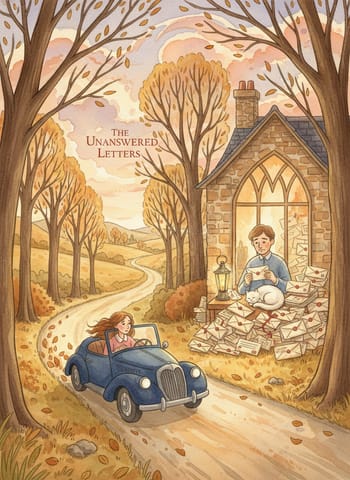
She drove the four hours to his house in October, unannounced, telling herself she only wanted to see that he was well. Kojo opened the door looking older than she remembered, and for a moment neither of them said anything useful.
Ela dirigiu quatro horas até a casa dele em outubro, sem avisar, dizendo a si mesma que só queria ver se ele estava bem. Kojo abriu a porta parecendo mais velho do que ela lembrava, e por um momento nenhum dos dois disse nada que fizesse sentido.
"You could have called," he said finally.
"Você podia ter ligado", ele disse finalmente.
"I wrote," she said. "Every week. You never wrote back."
"Eu escrevi", ela disse. "Toda semana. Você nunca respondeu."
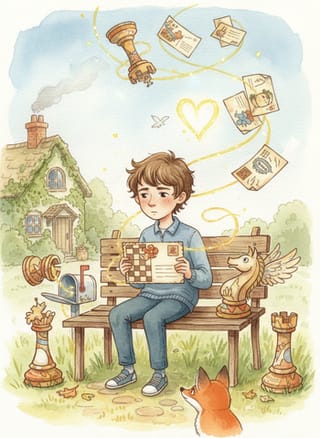
He didn't answer right away. Instead he led her to a kitchen drawer, the kind every house has, crowded with rubber bands and dead batteries and a spare key to a door that no longer existed. Underneath all of it, in a bundle held together with a hair tie, were her letters, every one unopened, the envelopes gone soft at the corners from handling. Reading none of them, he had still touched every single one, turning each over the way a person turns over a decision not yet made.
Ele não respondeu na hora. Em vez disso, a levou até uma gaveta da cozinha, do tipo que toda casa tem, cheia de elásticos, pilhas descarregadas e uma chave reserva de uma porta que já não existia mais. Embaixo de tudo isso, num maço amarrado com um elástico de cabelo, estavam as cartas dela, todas fechadas, os envelopes amolecidos nos cantos de tanto manuseio. Sem ler nenhuma delas, ele ainda assim tinha tocado em cada uma, virando-as como alguém que revira uma decisão ainda não tomada.
"I couldn't open them," he said. "Not because I didn't want to know how you were. Because I was afraid of what it would mean if I read one and you sounded fine without me."
"Eu não conseguia abri-las", ele disse. "Não porque eu não quisesse saber como você estava. Porque eu tinha medo do que significaria se eu lesse uma e você parecesse bem sem mim."
Marguerite sat down at his table without being asked. What surprised her most was not that he had kept the letters, but that he had handled them so often without ever opening one.
Marguerite se sentou à mesa dele sem ser convidada. O que mais a surpreendeu não foi que ele tivesse guardado as cartas, mas que as tivesse manuseado tantas vezes sem nunca abrir uma sequer.
"They're not that interesting," she said eventually. "Mostly the garden."
"Elas não são tão interessantes assim", ela disse por fim. "É principalmente sobre o jardim."
"I know," Kojo said. "I could tell by the weight."
"Eu sei", disse Kojo. "Dava para perceber pelo peso."
She almost laughed. Rarely had a joke landed so strangely, half comfort and half accusation. But it was the first thing either of them had said all afternoon that sounded like the two of them, ten years ago, before whatever had gone wrong between them.
Ela quase riu. Raramente uma piada tinha soado tão estranha, metade conforto e metade acusação. Mas foi a primeira coisa que qualquer um dos dois disse a tarde toda que soou como eles mesmos, dez anos atrás, antes do que quer que tivesse dado errado entre eles.
Neither opened the letters that day. Marguerite left the bundle on the table when she drove home. It was three weeks before Kojo called to say he had finally read the first one, and did she still have the recipe for the soup their mother used to make.
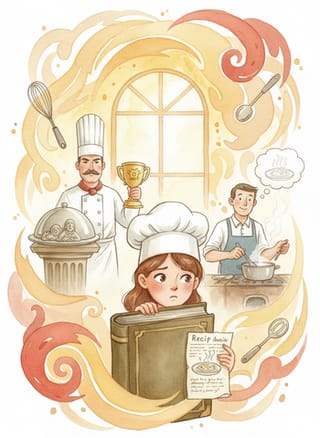
Nenhum dos dois abriu as cartas naquele dia. Marguerite deixou o maço na mesa quando voltou dirigindo para casa. Passaram-se três semanas até Kojo ligar para dizer que finalmente tinha lido a primeira, e se ela ainda tinha a receita da sopa que a mãe deles costumava fazer.
She said she did. She did not ask why it had taken him three weeks to open one envelope out of forty-something. Some arithmetic, she had decided, was not hers to check.
Ela disse que tinha. Não perguntou por que tinha levado três semanas para abrir um envelope entre uns quarenta e tantos. Certas contas, ela decidiu, não eram dela para conferir.