The Back Booth
Cerita bahasa Inggris gratis level C1 untuk pelajar, bisa dibaca online dalam 5 bahasa, dengan pilihan untuk mendengarkannya di aplikasi Storyteller gratis.
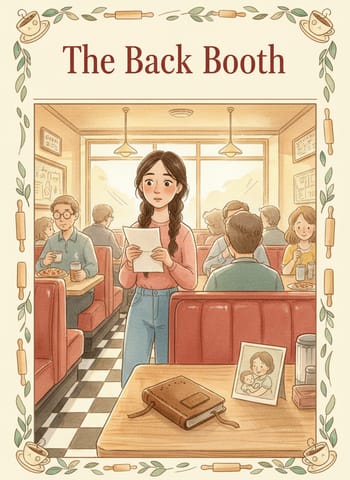
Taking over her late mother's diner, Odessa finds an old note revealing her mother nearly sold it the year she was born.
Itu cuplikannya! Dengarkan cerita lengkapnya di aplikasi Storyteller gratis. Unduh aplikasi
Audio belum tersedia saat ini.
Odessa was thirty-four the week she finally agreed to take over the diner, a decision everyone in her family treated as inevitable, though nobody could say exactly when she had agreed to it.
Odessa berusia tiga puluh empat tahun pada minggu ia akhirnya setuju mengambil alih restoran kecil itu, keputusan yang oleh semua orang di keluarganya dianggap tak terelakkan, meski tak seorang pun bisa mengatakan persis kapan ia menyetujuinya.
She had grown up in the back booth doing homework while her mother, Imogen, ran the register, the till, and every crisis the kitchen produced, seemingly without effort. The plan, as far as Odessa understood it, had always been quiet and unspoken: the diner would pass to her the way it had passed to Imogen, and to Imogen's mother before that.
Ia tumbuh di bilik belakang sambil mengerjakan PR, sementara ibunya, Imogen, mengurus kasir, laci uang, dan setiap krisis yang dihasilkan dapur, tampaknya tanpa kesulitan. Rencananya, sejauh yang Odessa pahami, selalu tenang dan tak terucap: restoran itu akan diwariskan kepadanya seperti diwariskan kepada Imogen, dan sebelumnya kepada ibu Imogen.
It was while clearing out the office, three months after the funeral, that Odessa found the note, folded small inside an old bank ledger from the year she was born.
Saat membereskan kantor, tiga bulan setelah pemakaman, Odessa menemukan catatan itu, terlipat kecil di dalam buku besar bank lama dari tahun ia dilahirkan.
Considering selling. Baby due in six weeks. Can't keep doing both, it read, in her mother's unmistakable handwriting, dated a full year before Odessa had any memory of the place existing at all.
Sedang mempertimbangkan menjual. Bayi lahir enam minggu lagi. Tak bisa terus mengurus keduanya, bunyinya, dengan tulisan tangan ibunya yang tak mungkin salah dikenali, bertanggal setahun penuh sebelum Odessa punya ingatan apa pun tentang keberadaan tempat itu.
Standing in the office with the ledger open in her hands, Odessa realized something startling. Had that sale gone through, she would have grown up somewhere else entirely, doing something else entirely, with a mother who might have been less exhausted and, perhaps, considerably happier.
Berdiri di kantor dengan buku besar terbuka di tangan, Odessa menyadari sesuatu yang mengejutkan. Seandainya penjualan itu terjadi, ia akan tumbuh di tempat yang sama sekali lain, melakukan hal yang sama sekali lain, dengan seorang ibu yang mungkin kurang lelah dan, barangkali, jauh lebih bahagia.
She had spent her whole life assuming the diner was simply what her mother wanted, a calling rather than a burden quietly carried for thirty-four years past the point where it might reasonably have ended. The note complicated that story in a way Odessa was not prepared for.
Sepanjang hidupnya ia mengira restoran itu semata-mata yang diinginkan ibunya, sebuah panggilan, bukan beban yang diam-diam dipikul selama tiga puluh empat tahun melewati titik di mana semua itu masuk akal untuk berakhir. Catatan itu merumitkan kisah tersebut dengan cara yang tak siap dihadapi Odessa.
She called her aunt that evening, hoping for context, and got instead a long pause before an honest answer. "She almost did sell it," her aunt confirmed. "Your father talked her out of it. I never knew if that was the right call or not, and I don't think your mother ever fully decided either."
Malam itu ia menelepon bibinya, berharap mendapat penjelasan, dan malah mendapat jeda panjang sebelum jawaban yang jujur. "Dia memang hampir menjualnya," bibinya membenarkan. "Ayahmu yang membujuknya supaya tidak jadi. Aku nggak pernah tahu apakah itu keputusan yang benar atau bukan, dan kurasa ibumu juga nggak pernah benar-benar memutuskannya."
What Odessa had to sit with, in the weeks that followed, was a question with no comfortable answer. Was keeping the diner running, all these years, her mother's devotion, or simply the shape her life had taken once the harder choice went unmade?
Yang harus Odessa renungkan, pada minggu-minggu berikutnya, adalah pertanyaan tanpa jawaban yang nyaman. Apakah mempertahankan restoran itu tetap berjalan selama bertahun-tahun adalah pengabdian ibunya, atau semata bentuk yang diambil hidupnya begitu pilihan yang lebih sulit tak jadi dibuat?
She thought about closing it herself, more seriously than she had let anyone know. She thought, too, about her own daughter, not yet born, and whether she wanted to hand down a business or finally hand down the choice her mother never quite got to make.
Ia memikirkan untuk menutupnya sendiri, lebih serius daripada yang ia biarkan diketahui orang. Ia juga memikirkan putrinya sendiri, yang belum lahir, dan apakah ia ingin mewariskan sebuah usaha atau akhirnya mewariskan pilihan yang tak pernah sempat dibuat ibunya.
In the end, Odessa kept the diner open, but not, she told herself carefully, out of the same quiet inevitability that had carried her mother through three decades of it. She kept it because she chose to, actively. The note from the ledger stayed taped inside a drawer only she ever opened, a small private reminder that devotion and habit can look, from the outside, exactly the same.
Pada akhirnya, Odessa tetap membuka restoran itu, tetapi tidak, katanya pada dirinya dengan hati-hati, karena ketakterelakan yang tenang yang sama yang membawa ibunya melewati tiga dekade. Ia melakukannya karena ia memilihnya, dengan sadar. Catatan dari buku besar itu tetap tertempel di dalam sebuah laci yang hanya ia yang membukanya, pengingat pribadi kecil bahwa pengabdian dan kebiasaan bisa tampak, dari luar, persis sama.