Odessa was thirty-four the week she finally agreed to take over the diner, a decision everyone in her family treated as inevitable, though nobody could say exactly when she had agreed to it.
奥德莎三十四岁那一周,终于同意接手这家小餐馆,家里人都把这个决定当作理所当然,尽管没有人说得清,她到底是什么时候答应的。
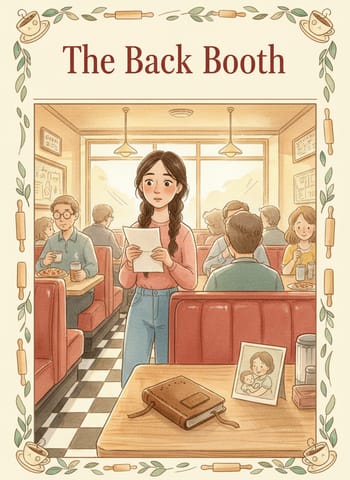
She had grown up in the back booth doing homework while her mother, Imogen, ran the register, the till, and every crisis the kitchen produced, seemingly without effort. The plan, as far as Odessa understood it, had always been quiet and unspoken: the diner would pass to her the way it had passed to Imogen, and to Imogen's mother before that.
她是在最里面的那个卡座里写作业长大的,而她妈妈伊莫金,在一旁管着收银台、钱箱,和厨房里冒出来的每一场危机,看上去毫不费力。奥德莎的理解是,这个计划一直是安静的、不言而喻的:餐馆会传给她,就像它传给伊莫金,在那之前传给伊莫金的母亲一样。
It was while clearing out the office, three months after the funeral, that Odessa found the note, folded small inside an old bank ledger from the year she was born.
葬礼过去三个月后,在清理办公室的时候,奥德莎发现了那张便条,折得小小的,夹在一本她出生那年的旧银行账簿里。
Considering selling. Baby due in six weeks. Can't keep doing both, it read, in her mother's unmistakable handwriting, dated a full year before Odessa had any memory of the place existing at all.
考虑卖掉。孩子六周后出生。没法两头兼顾,上面写着,是她母亲一眼就认得的笔迹,日期比奥德莎对这个地方有任何记忆,还要早整整一年。
Standing in the office with the ledger open in her hands, Odessa realized something startling. Had that sale gone through, she would have grown up somewhere else entirely, doing something else entirely, with a mother who might have been less exhausted and, perhaps, considerably happier.
站在办公室里,手里摊着那本账簿,奥德莎意识到了一件令她吃惊的事。要是当年那桩买卖成了,她会在完全不同的地方长大,做完全不同的事,有一位也许没那么疲惫,也许还要快乐得多的母亲。
She had spent her whole life assuming the diner was simply what her mother wanted, a calling rather than a burden quietly carried for thirty-four years past the point where it might reasonably have ended. The note complicated that story in a way Odessa was not prepared for.
她一生都以为,餐馆就是母亲想要的,是一种使命,而不是一个被悄悄背了三十四年的负担,早就超过了它本可以合理结束的那一点。这张便条,用一种奥德莎没有准备好的方式,让这个故事变得复杂了。
She called her aunt that evening, hoping for context, and got instead a long pause before an honest answer. "She almost did sell it," her aunt confirmed. "Your father talked her out of it. I never knew if that was the right call or not, and I don't think your mother ever fully decided either."
那天晚上她给姨妈打了电话,希望得到一些背景,却先等来了一阵长长的沉默,然后是一个诚实的回答。“她差一点就卖了,”姨妈证实道,“是你爸爸把她劝住的。我从来不知道那到底是不是对的决定,我想你妈妈也从来没有彻底想明白。”
What Odessa had to sit with, in the weeks that followed, was a question with no comfortable answer. Was keeping the diner running, all these years, her mother's devotion, or simply the shape her life had taken once the harder choice went unmade?
接下来的几周,奥德莎不得不面对的,是一个没有舒服答案的问题。这些年让餐馆一直开下去,究竟是她母亲的奉献,还是更艰难的那个选择没有做出之后,她的生活所形成的样子?
She thought about closing it herself, more seriously than she had let anyone know. She thought, too, about her own daughter, not yet born, and whether she wanted to hand down a business or finally hand down the choice her mother never quite got to make.
她考虑过自己把它关掉,比她让任何人知道的都要认真。她也想到了自己的女儿,还没有出生的那一个,想到自己想传给她的,是一份生意,还是终于把她母亲从来没能做出的那个选择,传给她。
In the end, Odessa kept the diner open, but not, she told herself carefully, out of the same quiet inevitability that had carried her mother through three decades of it. She kept it because she chose to, actively. The note from the ledger stayed taped inside a drawer only she ever opened, a small private reminder that devotion and habit can look, from the outside, exactly the same.
最后,奥德莎让餐馆继续开着,不过,她小心地对自己说,并不是出于那种曾带着她母亲走过三十年的、安静的必然。她留着它,是因为她选择了,是主动地选择。那张账簿里的便条,贴在了一个只有她会打开的抽屉里面,是一个小小的私人提醒:奉献和习惯,从外面看,可以一模一样。