The Mice and the Screech-Owl
भाषा सीखने वालों के लिए स्तर B2 की एक मुफ़्त अंग्रेज़ी कहानी, जिसे 7 भाषाओं में ऑनलाइन पढ़ा जा सकता है और मुफ़्त Storyteller ऐप में सुना भी जा सकता है।
A clever owl keeps captive mice by removing their feet, feeding them grain while keeping them imprisoned — demonstrating that cunning strategy rivals human reasoning.
झलक पूरी हुई! पूरी कहानी मुफ़्त Storyteller ऐप में सुनें। ऐप पाएँ
अभी ऑडियो उपलब्ध नहीं है।
It is not always wise to say to your company, "Just listen to this joke" or "What do you think of this for a marvel?" for one can never be sure that the listeners will regard the matter in the same way that the teller does. Yet here is a case that makes an exception to this good rule, and I maintain that it is in truth wonderful, and, although it has the appearance of being a fable, it is in reality absolute fact.
यह हमेशा समझदारी की बात नहीं होती कि अपनी संगत से कहा जाए, "ज़रा यह चुटकुला सुनो" या "इसे किसी अजूबे के तौर पर आप क्या समझते हैं?" क्योंकि कोई भी इस बात का यकीन नहीं कर सकता कि सुनने वाले भी उस बात को उसी तरह देखेंगे जैसे कहने वाला देखता है। फिर भी यहाँ एक ऐसा मामला है जो इस अच्छे नियम का अपवाद बनाता है, और मैं दावे से कहता हूँ कि यह सचमुच अद्भुत है, और, हालाँकि यह एक कल्पित कहानी जैसा लगता है, यह वास्तव में पूरी तरह सच्चाई है।
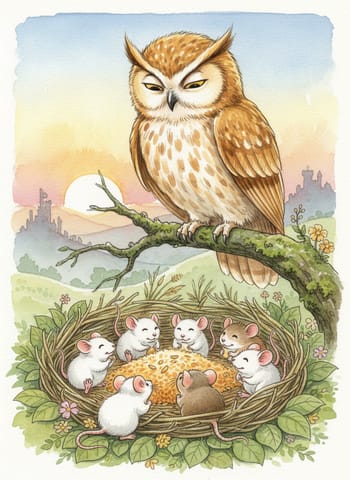
There was once an extremely old pine-tree which an owl, that grim bird which Atropus takes for her interpreter, had made to serve as his palace. But there were other tenants lodging in its cavernous and time-rotted trunk. These were mice, well fed, positive balls of fat, but not one of them had a foot. They had all been mutilated. The owl had nipped their feet off with his beak, whilst feeding and fostering them with wheat from neighbouring stacks.
एक समय एक बेहद पुराना चीड़ का पेड़ था जिसे एक उल्लू, वह भयानक पक्षी जिसे मृत्यु-देवी एट्रोपस अपना दूत मानती है, ने अपना महल बना रखा था। पर उस पेड़ के खोखले और समय से जर्जर तने में और भी किरायेदार रहते थे। ये चूहे थे, अच्छी तरह खाए-पिए, चर्बी की गोलों जैसे, पर उनमें से किसी का भी एक भी पैर नहीं था। उन सबके अंग काटे जा चुके थे। उल्लू ने पास के अनाज-ढेरों से गेहूँ खिलाकर उनकी परवरिश करते हुए अपनी चोंच से उनके पैर काट दिए थे।
It must be confessed that this bird had reasoned.
यह मानना पड़ेगा कि इस पक्षी ने विचार-विमर्श किया था।
Doubtless, in his time, when hunting mice, he had found that after bringing them home they escaped again from the trunk, and to prevent the recurrence of such a loss the artful rascal had thenceforth nipped off the feet of all he caught, keeping them prisoners and eating them one to-day and one to-morrow. To eat them all at once would have been impossible. He had his health to think of. His forethought, which went quite as far as ours, extended to bringing them grain for their subsistence.
बेशक, अपने समय में, जब वह चूहों का शिकार करता था, उसे पता चला होगा कि घर लाने के बाद वे तने से फिर भाग जाते थे, और ऐसे नुकसान को फिर होने से रोकने के लिए इस चालाक बदमाश ने तब से जिन-जिन को पकड़ा, उन सबके पैर काट दिए, उन्हें बंदी बनाए रखा और उन्हें एक-एक करके, आज एक, कल एक, खाता रहा। उन सबको एक साथ खाना असंभव होता। उसे अपनी सेहत का भी ख्याल रखना था। उसकी दूरदर्शिता, जो हमारी दूरदर्शिता जितनी ही थी, उनके भरण-पोषण के लिए अनाज लाने तक फैली हुई थी।
If this is not reasoning, then I do not understand what reasoning is. See what arguments he used:—
अगर यह विचार-विमर्श नहीं है, तो फिर मुझे नहीं पता कि विचार-विमर्श क्या होता है। देखिए उसने कैसे तर्क दिए:—
"When these mice are caught they run away, therefore I must eat them as I catch them. What all? Impossible! But would it not be well to keep some for a needy future? If so, I must keep them and feed them too, without their escaping. But how's that to be done? Happy thought! Nip off their feet!"
"जब ये चूहे पकड़े जाते हैं तो भाग जाते हैं, इसलिए मुझे इन्हें पकड़ते ही खा लेना चाहिए। क्या सबको? असंभव! पर क्या भविष्य की ज़रूरत के लिए कुछ बचाकर रखना अच्छा नहीं होगा? अगर हाँ, तो मुझे उन्हें बचाना और खिलाना भी होगा, बिना उनके भागे। पर यह कैसे किया जाए? खुशी की बात! उनके पैर काट दो!"
Now find me among human beings anything better carried out. Did Aristotle and his followers do any better thinking, by my faith?
अब मनुष्यों में मुझे इससे बेहतर सोच-समझकर किया गया कुछ दिखाओ। अरस्तू और उनके अनुयायी इससे बेहतर सोच पाए थे क्या, मेरी सौगंध?
NOTE.—This is not a fable. The thing actually occurred, although marvellous enough and almost incredible. I have perhaps carried the forethought of this owl too far, for I do not pretend to establish in animals a line of reasoning; but in this style of literature a little exaggeration is pardonable.
टिप्पणी.—यह कोई कल्पित कहानी नहीं है। यह वाकई घटित हुआ, हालाँकि यह अद्भुत और लगभग अविश्वसनीय है। शायद मैंने इस उल्लू की दूरदर्शिता को कुछ ज़्यादा ही बढ़ा-चढ़ाकर पेश किया है, क्योंकि मैं जानवरों में तर्क की एक पूरी शृंखला साबित करने का दावा नहीं करता; पर इस तरह के साहित्य में थोड़ी बहुत अतिशयोक्ति क्षम्य है।