The Tell-Tale Heart
قصة إنجليزية مجانية بالمستوى C1 لمتعلمي اللغات، يمكن قراءتها على الإنترنت بلغات عددها 8، مع إمكانية الاستماع إليها عبر تطبيق Storyteller المجاني.
A murderer swears he isn't mad, describing in chilling detail how he stalked an old man in the night — and what finally gives him away.
انتهى المقطع التجريبي! استمع إلى القصة كاملة في تطبيق Storyteller المجاني. حمّل التطبيق
الصوت غير متاح الآن.
True!—nervous—very, very dreadfully nervous I had been and am; but why will you say that I am mad? The disease had sharpened my senses—not destroyed—not dulled them. Above all was the sense of hearing acute. I heard all things in the heaven and in the earth. I heard many things in hell. How, then, am I mad? Hearken! and observe how healthily—how calmly I can tell you the whole story.
صحيح! عصبي، شديد العصبية، عصبي بشكل مروّع، هكذا كنت وهكذا أنا؛ لكن لماذا تقولون إنني مجنون؟ لقد أرهف المرض حواسي، لم يدمرها، ولم يُثلمها. وفوق كل شيء كانت حاسة السمع حادة. كنت أسمع كل الأشياء في السماء وفي الأرض. وكنت أسمع أشياء كثيرة في الجحيم. فكيف أكون مجنونًا إذًا؟ أصغوا! ولاحظوا كم أستطيع أن أروي لكم القصة كلها بعقل سليم، وبهدوء.
It is impossible to say how first the idea entered my brain; but once conceived, it haunted me day and night. Object there was none. Passion there was none. I loved the old man. He had never wronged me. He had never given me insult. For his gold I had no desire. I think it was his eye! yes, it was this! He had the eye of a vulture—a pale blue eye, with a film over it. Whenever it fell upon me, my blood ran cold; and so by degrees—very gradually—I made up my mind to take the life of the old man, and thus rid myself of the eye forever.
من المستحيل أن أقول كيف دخلت الفكرة دماغي أول مرة؛ لكنها منذ أن تكوّنت صارت تطاردني ليلًا ونهارًا. لم يكن هناك هدف. ولم يكن هناك انفعال. كنت أحب الرجل العجوز. لم يظلمني قط. ولم يسئ إليّ قط. ولم تكن لي رغبة في ذهبه. أظن أنها كانت عينه! نعم، كانت هذه! كانت له عين نسر، عين زرقاء شاحبة، يغطيها غشاء. وكلما وقعت عليّ برد دمي؛ وهكذا شيئًا فشيئًا، بالتدريج الشديد، عقدت العزم على أن أقتل الرجل العجوز، وأتخلص بذلك من العين إلى الأبد.
Now this is the point. You fancy me mad. Madmen know nothing. But you should have seen me. You should have seen how wisely I proceeded—with what caution—with what foresight—with what dissimulation I went to work! I was never kinder to the old man than during the whole week before I killed him. And every night, about midnight, I turned the latch of his door and opened it—oh, so gently! And then, when I had made an opening sufficient for my head, I put in a dark lantern, all closed, closed, that no light shone out, and then I thrust in my head. Oh, you would have laughed to see how cunningly I thrust it in! I moved it slowly—very, very slowly, so that I might not disturb the old man’s sleep. It took me an hour to place my whole head within the opening so far that I could see him as he lay upon his bed. Ha!—would a madman have been so wise as this? And then, when my head was well in the room, I undid the lantern cautiously—oh, so cautiously—cautiously (for the hinges creaked)—I undid it just so much that a single thin ray fell upon the vulture eye. And this I did for seven long nights—every night just at midnight—but I found the eye always closed; and so it was impossible to do the work; for it was not the old man who vexed me, but his Evil Eye. And every morning, when the day broke, I went boldly into the chamber, and spoke courageously to him, calling him by name in a hearty tone, and inquiring how he has passed the night. So you see he would have been a very profound old man, indeed, to suspect that every night, just at twelve, I looked in upon him while he slept.
هذه هي النقطة الآن. تتخيلونني مجنونًا. المجانين لا يعرفون شيئًا. لكن كان ينبغي أن تروني. كان ينبغي أن تروا بأي حكمة مضيت، وبأي حذر، وبأي بُعد نظر، وبأي إخفاء للنوايا باشرت العمل! لم أكن في أي وقت ألطف مع الرجل العجوز مما كنت في الأسبوع كله الذي سبق قتله. وكل ليلة، نحو منتصف الليل، كنت أدير مزلاج بابه وأفتحه، آه، بكل رفق! وحين أفتح فتحة تكفي لرأسي، كنت أدخل فانوسًا معتمًا، مغلقًا كله، مغلقًا، حتى لا يخرج منه ضوء، ثم أدخل رأسي. آه، كنتم ستضحكون لو رأيتم بأي مكر أدخله! كنت أحرّكه ببطء، ببطء شديد جدًا، كيلا أزعج نوم الرجل العجوز. كان الأمر يستغرق مني ساعة لأضع رأسي كله داخل الفتحة إلى حد أستطيع معه أن أراه وهو ممدد على سريره. ها! هل كان مجنون ليكون بهذه الحكمة؟ وحين يصبح رأسي في الغرفة تمامًا، كنت أفتح الفانوس بحذر، آه، بحذر، بحذر (لأن المفصلات كانت تصرّ)، أفتحه بمقدار ما يكفي لأن يسقط شعاع واحد رفيع على عين النسر. وفعلت ذلك سبع ليالٍ طويلة، كل ليلة عند منتصف الليل تمامًا، لكنني كنت أجد العين مغلقة دائمًا؛ ولذلك كان من المستحيل إنجاز العمل؛ فلم يكن الرجل العجوز هو من يضايقني، بل عينه الشريرة. وكل صباح، حين يطلع النهار، كنت أدخل الغرفة بجرأة، وأكلمه بشجاعة، وأناديه باسمه بنبرة ودودة، وأسأله كيف أمضى ليلته. فترون أنه كان سيكون رجلًا عجوزًا ثاقب البصيرة حقًا، ليشك في أنني كل ليلة، عند الثانية عشرة تمامًا، كنت أتطلع إليه وهو نائم.
Upon the eighth night I was more than usually cautious in opening the door. A watch’s minute hand moves more quickly than did mine. Never before that night had I felt the extent of my own powers—of my sagacity. I could scarcely contain my feelings of triumph. To think that there I was, opening the door, little by little, and he not even to dream of my secret deeds or thoughts. I fairly chuckled at the idea; and perhaps he heard me; for he moved on the bed suddenly, as if startled. Now you may think that I drew back—but no. His room was as black as pitch with the thick darkness, (for the shutters were close fastened, through fear of robbers,) and so I knew that he could not see the opening of the door, and I kept pushing it on steadily, steadily.
في الليلة الثامنة كنت أشد حذرًا من المعتاد في فتح الباب. عقرب الدقائق في الساعة يتحرك أسرع من حركة يدي. لم أشعر قبل تلك الليلة بمدى قدراتي، بمدى فطنتي. كدت لا أتمالك مشاعر الظفر. أن أفكر في أنني كنت هناك، أفتح الباب شيئًا فشيئًا، وهو لا يحلم حتى بأعمالي وأفكاري السرية. لقد ضحكت ضحكة مكتومة فعلًا لهذه الفكرة؛ وربما سمعني؛ لأنه تحرك على السرير فجأة، كأنه فزع. قد تظنون الآن أنني تراجعت، لكن لا. كانت غرفته حالكة كالقار من شدة الظلام (لأن المصاريع كانت مغلقة بإحكام، خوفًا من اللصوص)، ولذلك عرفت أنه لا يستطيع أن يرى فتح الباب، فظللت أدفعه بثبات، بثبات.
I had my head in, and was about to open the lantern, when my thumb slipped upon the tin fastening, and the old man sprang up in bed, crying out—“Who’s there?”
كان رأسي قد دخل، وكنت على وشك فتح الفانوس، حين انزلق إبهامي على مشبك الصفيح، فوثب الرجل العجوز في سريره، صارخًا: «من هناك؟»
I kept quite still and said nothing. For a whole hour I did not move a muscle, and in the meantime I did not hear him lie down. He was still sitting up in the bed listening;—just as I have done, night after night, hearkening to the death watches in the wall.
بقيت ساكنًا تمامًا ولم أقل شيئًا. ساعة كاملة لم أحرك عضلة، وفي الأثناء لم أسمعه يستلقي. كان لا يزال جالسًا في السرير يصغي؛ تمامًا كما فعلت أنا، ليلة تلو ليلة، أصغي إلى خنافس ساعة الموت في الجدار.
Presently I heard a slight groan, and I knew it was the groan of mortal terror. It was not a groan of pain or of grief—oh, no!—it was the low stifled sound that arises from the bottom of the soul when overcharged with awe. I knew the sound well. Many a night, just at midnight, when all the world slept, it has welled up from my own bosom, deepening, with its dreadful echo, the terrors that distracted me. I say I knew it well. I knew what the old man felt, and pitied him, although I chuckled at heart. I knew that he had been lying awake ever since the first slight noise, when he had turned in the bed. His fears had been ever since growing upon him. He had been trying to fancy them causeless, but could not. He had been saying to himself—“It is nothing but the wind in the chimney—it is only a mouse crossing the floor,” or “It is merely a cricket which has made a single chirp.” Yes, he had been trying to comfort himself with these suppositions: but he had found all in vain. All in vain; because Death, in approaching him had stalked with his black shadow before him, and enveloped the victim. And it was the mournful influence of the unperceived shadow that caused him to feel—although he neither saw nor heard—to feel the presence of my head within the room.
بعد قليل سمعت أنينًا خفيفًا، وعرفت أنه أنين رعب مميت. لم يكن أنين ألم ولا حزن، آه، لا! بل كان ذلك الصوت المنخفض المكتوم الذي يصعد من قاع الروح حين تثقلها الرهبة. كنت أعرف الصوت جيدًا. كم من ليلة، عند منتصف الليل تمامًا، حين كان العالم كله نائمًا، تدفق من صدري أنا، فعمّق بصداه المخيف الفزع الذي كان يشتتني. أقول إنني كنت أعرفه جيدًا. عرفت ما يشعر به الرجل العجوز، ورثيت له، مع أنني كنت أضحك في قلبي. عرفت أنه كان مستلقيًا مستيقظًا منذ الضجة الخفيفة الأولى، حين تقلّب في السرير. ومنذ ذلك الحين كان خوفه يتزايد. كان يحاول أن يتخيله بلا سبب، لكنه لم يستطع. كان يقول لنفسه: «ليس إلا الريح في المدخنة، ليس إلا فأرًا يعبر الأرض»، أو «ليس إلا صرصور ليل أطلق صريرًا واحدًا». نعم، كان يحاول أن يواسي نفسه بهذه الافتراضات، لكنه وجدها كلها بلا جدوى. بلا جدوى كلها؛ لأن الموت، حين اقترب منه، سار بظله الأسود أمامه، وغلّف الضحية. وكان تأثير الظل الحزين غير المرئي هو ما جعله يشعر، مع أنه لم يرَ ولم يسمع، يشعر بوجود رأسي في الغرفة.
When I had waited a long time, very patiently, without hearing him lie down, I resolved to open a little—a very, very little crevice in the lantern. So I opened it—you cannot imagine how stealthily, stealthily—until, at length a single dim ray, like the thread of the spider, shot from out the crevice and fell full upon the vulture eye.
حين انتظرت طويلًا، بصبر شديد، دون أن أسمعه يستلقي، عزمت على أن أفتح شقًّا صغيرًا، صغيرًا جدًا جدًا، في الفانوس. ففتحته، لا يمكنكم تخيل كم كان ذلك خلسة، خلسة، حتى انطلق أخيرًا شعاع خافت واحد، كخيط العنكبوت، من الشق وسقط كاملًا على عين النسر.
It was open—wide, wide open—and I grew furious as I gazed upon it. I saw it with perfect distinctness—all a dull blue, with a hideous veil over it that chilled the very marrow in my bones; but I could see nothing else of the old man’s face or person: for I had directed the ray as if by instinct, precisely upon the damned spot.
كانت مفتوحة، مفتوحة على اتساعها، فاشتد غضبي وأنا أحدّق فيها. رأيتها بوضوح تام، كلها زرقاء كابية، يغطيها حجاب بشع جمّد نخاع عظامي ذاته؛ لكنني لم أستطع أن أرى شيئًا آخر من وجه الرجل العجوز أو جسمه؛ لأنني كنت قد وجهت الشعاع، كأنه بالغريزة، بالضبط على تلك البقعة اللعينة.
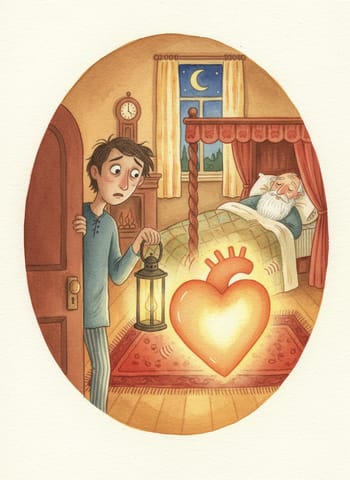
And have I not told you that what you mistake for madness is but over-acuteness of the sense?—now, I say, there came to my ears a low, dull, quick sound, such as a watch makes when enveloped in cotton. I knew that sound well, too. It was the beating of the old man’s heart. It increased my fury, as the beating of a drum stimulates the soldier into courage.
ألم أخبركم أن ما تحسبونه جنونًا ليس إلا فرط حدة الحواس؟ والآن، أقول لكم، وصل إلى أذنيّ صوت خافت كابٍ سريع، كالصوت الذي تصدره ساعة ملفوفة في القطن. كنت أعرف هذا الصوت جيدًا أيضًا. كان نبض قلب الرجل العجوز. وقد زاد غضبي، كما يحفّز قرع الطبل الجندي على الشجاعة.
But even yet I refrained and kept still. I scarcely breathed. I held the lantern motionless. I tried how steadily I could maintain the ray upon the eye. Meantime the hellish tattoo of the heart increased. It grew quicker and quicker, and louder and louder every instant. The old man’s terror must have been extreme! It grew louder, I say, louder every moment!—do you mark me well? I have told you that I am nervous: so I am. And now at the dead hour of the night, amid the dreadful silence of that old house, so strange a noise as this excited me to uncontrollable terror. Yet, for some minutes longer I refrained and stood still. But the beating grew louder, louder! I thought the heart must burst. And now a new anxiety seized me—the sound would be heard by a neighbour! The old man’s hour had come! With a loud yell, I threw open the lantern and leaped into the room. He shrieked once—once only. In an instant I dragged him to the floor, and pulled the heavy bed over him. I then smiled gaily, to find the deed so far done. But, for many minutes, the heart beat on with a muffled sound. This, however, did not vex me; it would not be heard through the wall. At length it ceased. The old man was dead. I removed the bed and examined the corpse. Yes, he was stone, stone dead. I placed my hand upon the heart and held it there many minutes. There was no pulsation. He was stone dead. His eye would trouble me no more.
لكنني حتى الآن امتنعت وبقيت ساكنًا. كدت لا أتنفس. أمسكت الفانوس بلا حركة. جرّبت إلى أي حد أستطيع أن أثبّت الشعاع على العين. وفي الأثناء ازداد قرع القلب الجهنمي. صار أسرع وأسرع، وأعلى وأعلى في كل لحظة. لا بد أن رعب الرجل العجوز كان بالغًا! صار أعلى، أقول لكم، أعلى في كل لحظة! هل تنتبهون إليّ جيدًا؟ لقد قلت لكم إنني عصبي: وهكذا أنا. والآن، في جوف الليل، وسط الصمت المخيف لذلك البيت القديم، أثار فيّ ضجيج غريب كهذا ذعرًا لا يمكن كبحه. ومع ذلك امتنعت وبقيت واقفًا بضع دقائق أخرى. لكن الخفقان ازداد علوًّا، علوًّا! ظننت أن القلب لا بد أن ينفجر. والآن استولى عليّ قلق جديد: سيسمع الجار الصوت! لقد حانت ساعة الرجل العجوز! بصرخة عالية فتحت الفانوس على مصراعيه وقفزت إلى الغرفة. صرخ مرة واحدة، مرة واحدة فقط. وفي لحظة جررته إلى الأرض وسحبت السرير الثقيل فوقه. ثم ابتسمت بمرح لأن الفعل أُنجز إلى هذا الحد. لكن القلب ظل ينبض عدة دقائق بصوت مكتوم. غير أن هذا لم يضايقني؛ فلن يُسمع عبر الجدار. وأخيرًا توقف. مات الرجل العجوز. أزحت السرير وفحصت الجثة. نعم، كان ميتًا كالحجر، كالحجر تمامًا. وضعت يدي على القلب وأبقيتها هناك عدة دقائق. لم يكن هناك نبض. كان ميتًا كالحجر. لن تزعجني عينه بعد الآن.
If still you think me mad, you will think so no longer when I describe the wise precautions I took for the concealment of the body. The night waned, and I worked hastily, but in silence. First of all I dismembered the corpse. I cut off the head and the arms and the legs.
إن كنتم لا تزالون تظنونني مجنونًا فلن تظنوا ذلك بعد الآن حين أصف لكم الاحتياطات الحكيمة التي اتخذتها لإخفاء الجثة. كان الليل ينقضي وأنا أعمل بسرعة لكن في صمت. أول كل شيء قطّعت الجثة. فصلت الرأس والذراعين والساقين.
I then took up three planks from the flooring of the chamber, and deposited all between the scantlings. I then replaced the boards so cleverly, so cunningly, that no human eye—not even his—could have detected any thing wrong. There was nothing to wash out—no stain of any kind—no blood-spot whatever. I had been too wary for that. A tub had caught all—ha! ha!
ثم رفعت ثلاثة ألواح من أرضية الغرفة، ووضعت كل شيء بين العوارض. ثم أعدت الألواح بمهارة ودهاء إلى حد أن عين إنسان، ولا حتى عينه، ما كانت لتكتشف أي خطب. لم يكن هناك شيء يُغسل، لا أي بقعة من أي نوع، ولا بقعة دم واحدة. كنت أكثر حذرًا من ذلك. لقد التقط الحوض كل شيء، ها! ها!
When I had made an end of these labors, it was four o’clock—still dark as midnight. As the bell sounded the hour, there came a knocking at the street door. I went down to open it with a light heart,—for what had I now to fear? There entered three men, who introduced themselves, with perfect suavity, as officers of the police. A shriek had been heard by a neighbour during the night; suspicion of foul play had been aroused; information had been lodged at the police office, and they (the officers) had been deputed to search the premises.
حين أنهيت هذه الأعمال كانت الساعة الرابعة، لا تزال حالكة كمنتصف الليل. وبينما كانت دقات الساعة تعلن الرابعة، سمعت طرقًا على الباب المطل على الشارع. نزلت لأفتحه بقلب خفيف، فماذا كان لدي لأخشاه الآن؟ دخل ثلاثة رجال، قدّموا أنفسهم، بتهذيب تام، على أنهم ضباط شرطة. كان جار قد سمع صرخة خلال الليل؛ وأثار ذلك الاشتباه في وقوع جريمة؛ وقُدّم بلاغ إلى مركز الشرطة، وكُلّفوا هم (الضباط) بتفتيش المبنى.
I smiled,—for what had I to fear? I bade the gentlemen welcome. The shriek, I said, was my own in a dream. The old man, I mentioned, was absent in the country. I took my visitors all over the house. I bade them search—search well. I led them, at length, to his chamber. I showed them his treasures, secure, undisturbed. In the enthusiasm of my confidence, I brought chairs into the room, and desired them here to rest from their fatigues, while I myself, in the wild audacity of my perfect triumph, placed my own seat upon the very spot beneath which reposed the corpse of the victim.
ابتسمت، فماذا كان لدي لأخشاه؟ رحبت بالسادة. قلت إن الصرخة كانت صرختي أنا في حلم. وذكرت أن الرجل العجوز غائب في الريف. أخذت زائريّ في أنحاء البيت كلها. طلبت منهم أن يفتشوا، أن يفتشوا جيدًا. وقدتهم في النهاية إلى غرفته. أريتهم كنوزه، آمنة، لم يمسسها أحد. وفي حماسة ثقتي أدخلت كراسي إلى الغرفة، وطلبت منهم أن يستريحوا هنا من تعبهم، بينما وضعت أنا، في جرأة جامحة من ظفري التام، مقعدي على البقعة نفسها التي ترقد تحتها جثة الضحية.
The officers were satisfied. My manner had convinced them. I was singularly at ease. They sat, and while I answered cheerily, they chatted of familiar things. But, ere long, I felt myself getting pale and wished them gone. My head ached, and I fancied a ringing in my ears: but still they sat and still chatted. The ringing became more distinct:—it continued and became more distinct: I talked more freely to get rid of the feeling: but it continued and gained definiteness—until, at length, I found that the noise was not within my ears.
اقتنع الضباط. فقد أقنعتهم طريقتي. كنت مرتاحًا على نحو غريب. جلسوا، وفيما كنت أجيب بمرح، تجاذبوا أطراف الحديث عن أمور مألوفة. لكن بعد قليل شعرت أنني أشحب وتمنيت أن يذهبوا. كان رأسي يؤلمني، وخيّل إليّ رنين في أذنيّ؛ لكنهم ظلوا جالسين وظلوا يتحدثون. وأصبح الرنين أوضح: استمر وأصبح أوضح: تحدثت بحرية أكبر لأتخلص من الإحساس؛ لكنه استمر وازداد تحددًا، حتى وجدت أخيرًا أن الضجيج لم يكن داخل أذنيّ.
No doubt I now grew _very_ pale;—but I talked more fluently, and with a heightened voice. Yet the sound increased—and what could I do? It was a low, dull, quick sound—much such a sound as a watch makes when enveloped in cotton. I gasped for breath—and yet the officers heard it not. I talked more quickly—more vehemently; but the noise steadily increased. I arose and argued about trifles, in a high key and with violent gesticulations; but the noise steadily increased. Why would they not be gone? I paced the floor to and fro with heavy strides, as if excited to fury by the observations of the men—but the noise steadily increased. Oh God! what could I do? I foamed—I raved—I swore! I swung the chair upon which I had been sitting, and grated it upon the boards, but the noise arose over all and continually increased. It grew louder—louder—louder! And still the men chatted pleasantly, and smiled. Was it possible they heard not? Almighty God!—no, no! They heard!—they suspected!—they knew!—they were making a mockery of my horror!—this I thought, and this I think. But anything was better than this agony! Anything was more tolerable than this derision! I could bear those hypocritical smiles no longer! I felt that I must scream or die! and now—again!—hark! louder! louder! louder! _louder!_
لا شك أنني صرت الآن شاحبًا _جدًا_؛ لكنني تحدثت بطلاقة أكبر، وبصوت مرتفع. ومع ذلك ازداد الصوت، وماذا كان بوسعي أن أفعل؟ كان صوتًا خافتًا كابيًا سريعًا، يشبه تمامًا الصوت الذي تصدره ساعة ملفوفة في القطن. لهثت طلبًا للنَّفَس، ومع ذلك لم يسمعه الضباط. تحدثت أسرع، وبحماسة أشد؛ لكن الضجيج استمر في الازدياد. نهضت وجادلت في توافه، بنبرة عالية وبإيماءات عنيفة؛ لكن الضجيج استمر في الازدياد. لماذا لا يذهبون؟ ذرعت الأرض جيئة وذهابًا بخطى ثقيلة، كأنني هُيّجت إلى الغضب من ملاحظات الرجال، لكن الضجيج استمر في الازدياد. يا إلهي! ماذا كان بوسعي أن أفعل؟ أرغيت وهذيت وشتمت! لوّحت بالكرسي الذي كنت جالسًا عليه وجررته على الألواح، لكن الضجيج ارتفع فوق كل شيء وظل يزداد. صار أعلى، أعلى، أعلى! ومع ذلك ظل الرجال يتحدثون بلطف ويبتسمون. هل كان ممكنًا أنهم لا يسمعون؟ يا الله القدير! لا، لا! لقد سمعوا! لقد شكّوا! لقد عرفوا! كانوا يسخرون من رعبي! هذا ما فكرت فيه، وهذا ما أفكر فيه. لكن كل شيء كان أفضل من هذا العذاب! كل شيء كان أيسر احتمالًا من هذه السخرية! لم أعد أستطيع تحمل تلك الابتسامات المنافقة! شعرت أنني يجب أن أصرخ أو أموت! والآن، مرة أخرى، اسمعوا! أعلى! أعلى! أعلى! _أعلى!_
“Villains!” I shrieked, “dissemble no more! I admit the deed!—tear up the planks!—here, here!—It is the beating of his hideous heart!”
«أيها الأوغاد!» صرخت، «كفى تظاهرًا! أعترف بالفعل الذي اقترفته! اقتلعوا الألواح! هنا، هنا! إنه نبض قلبه البشع!»